

[row disablegap=”true”]
[col size=”double”]

Some construction and mining vehicles, like this automated Ingersol Rand drill (pictured above), use a combination of mechanical, electronic, and hydraulic systems to control basic vehicle functions.
[/col]
[col]
You’re on your way to your car to run some errands. Think for a moment about what needs to be in place for you to achieve your errands. You need 1) to know where you’re going and plan a path to get there, 2) a way to control the car—usually your hands and feet, and 3) to safely react to any variables that you encounter along the way.
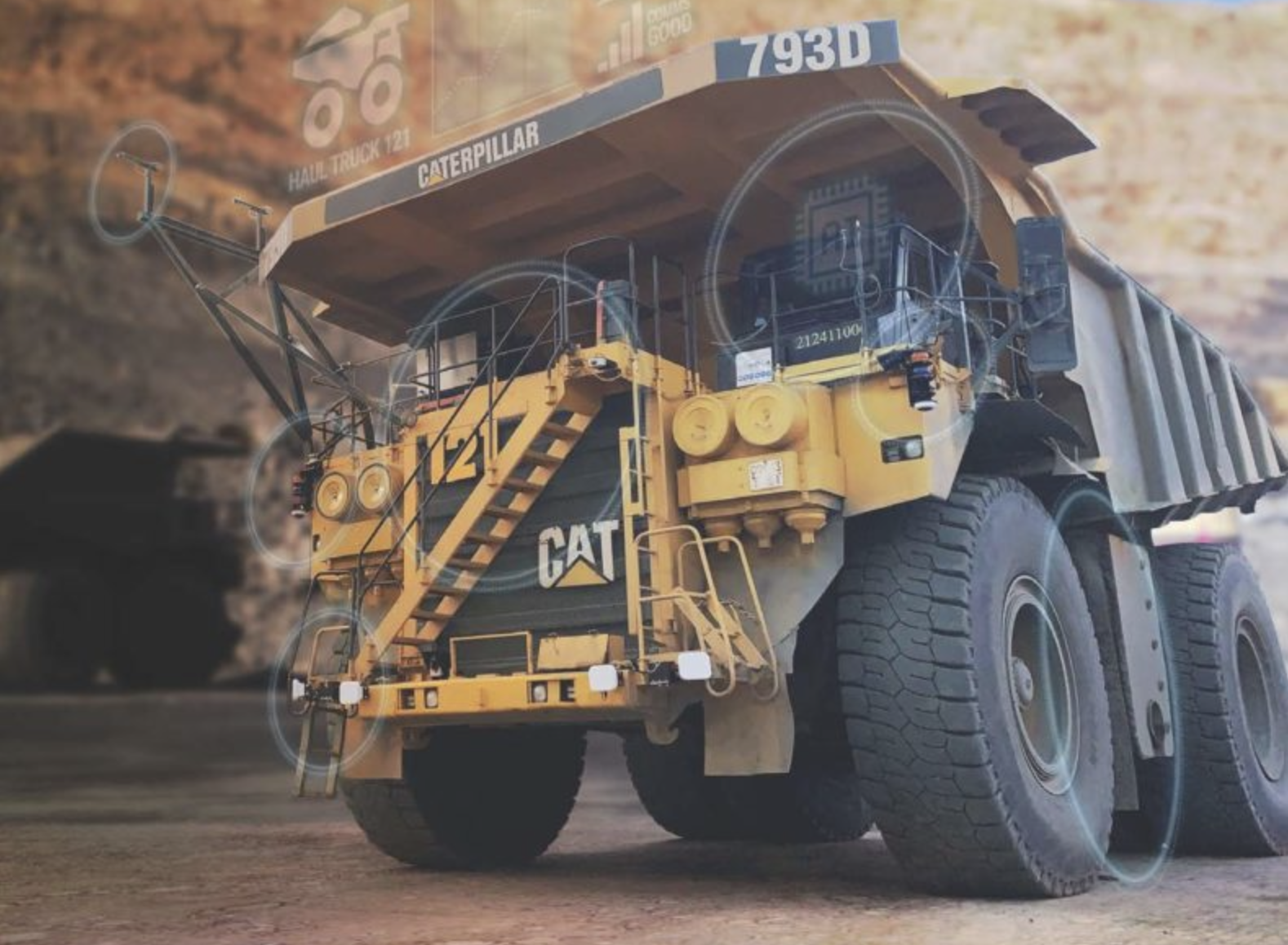
From an ATV to a massive mining truck, automating any vehicle requires that each of these elements be addressed. The following article will help you understand the hardware and software technologies we use to address 1, 2, and 3 in the process of creating an autonomous vehicle.
Planning a Path
When we drive a car, we usually stitch together a path based on a set of memories which include possible routes, road construction, or rush hour traffic. Path planning happens in just a few seconds.
[/col]
[col]
Robots must rely on other technologies to develop their plan. For example, using special software, a user draws a set of way points on a map for the vehicle to follow. A GPS antenna placed on top of the vehicle then tracks its position and makes sure that it does not wander off the path.
More advanced software can help users create complex vehicle paths that include additional tasks—such as picking up objects, load dumping, or activating cameras—that vehicles must perform at specific locations.
Controlling the Vehicle
In lieu of hands and feet, users need to have a way to control the basic functions of a vehicle: start/stop, acceleration, brake, transmission, and steering.
[/col]
[/row]
[row]
[more]
[col]
Vehicle control systems come in three varieties. Some vehicles are mechanical, meaning pedals, steering wheels, and ignition mechanisms are directly connected to the corresponding mechanism in the vehicle. Other vehicles are “by-wire,” meaning pedals and wheels give off electronic signals rather than change something mechanically.
The final way vehicles are controlled is hydraulics. Because of the loads they handle, mining and construction vehicles generally use some level of hydraulics. Controlling a vehicle may involve one or a combination of these control methods.
[/col]
[col]
To automate a mechanical vehicle, we generally install mechanical actuators that push on the brake, steering, acceleration, etc. For by-wire vehicles, our on-board computer sends electrical signals that mirror messages the vehicle would normally receive from the vehicle controls, causing the vehicle to react as though those controls had been activated. In hydraulic vehicles, our technicians install a duplicate valve bank that bypasses the original, allowing us full control of the hydraulic system.
The process that identifies which of these technologies to use is called vehicle characterization and may take anywhere from a day to several weeks to complete.
[/col]
[col]
Reacting to Variables
GPS technology can only monitor how well a vehicle stays on path and cannot see potential obstacles. Robotic vehicles need a way to “see” ahead and scan for road hazards.
We commonly use sensor technologies like LiDAR or radar in an obstacle detection system. These sensors can identify potential hazards around a vehicle both day and night. By combining the sensor data and the GPS map, the on-board computer can tell where an object is and if it will interfere with the vehicle’s path. In more advanced systems, the on-board computer can even plan a new path that will take a vehicle safely around an obstacle.
[/col]
[col]
Communication
Unlike when we drive a vehicle, the human operator connects remotely to a robotic vehicle and needs a reliable way to send commands and receive critical vehicle health information. The most common method for this type of communication is radio.
With a way to send commands, control the vehicle’s functions, plan a path, and react to obstacles, you’re ready to start exploring the cost savings and safety benefits of vehicle automation! To learn more, submit a description of your project, and an ASI representative will contact you shortly.
[/col]
[/more]
[/row]
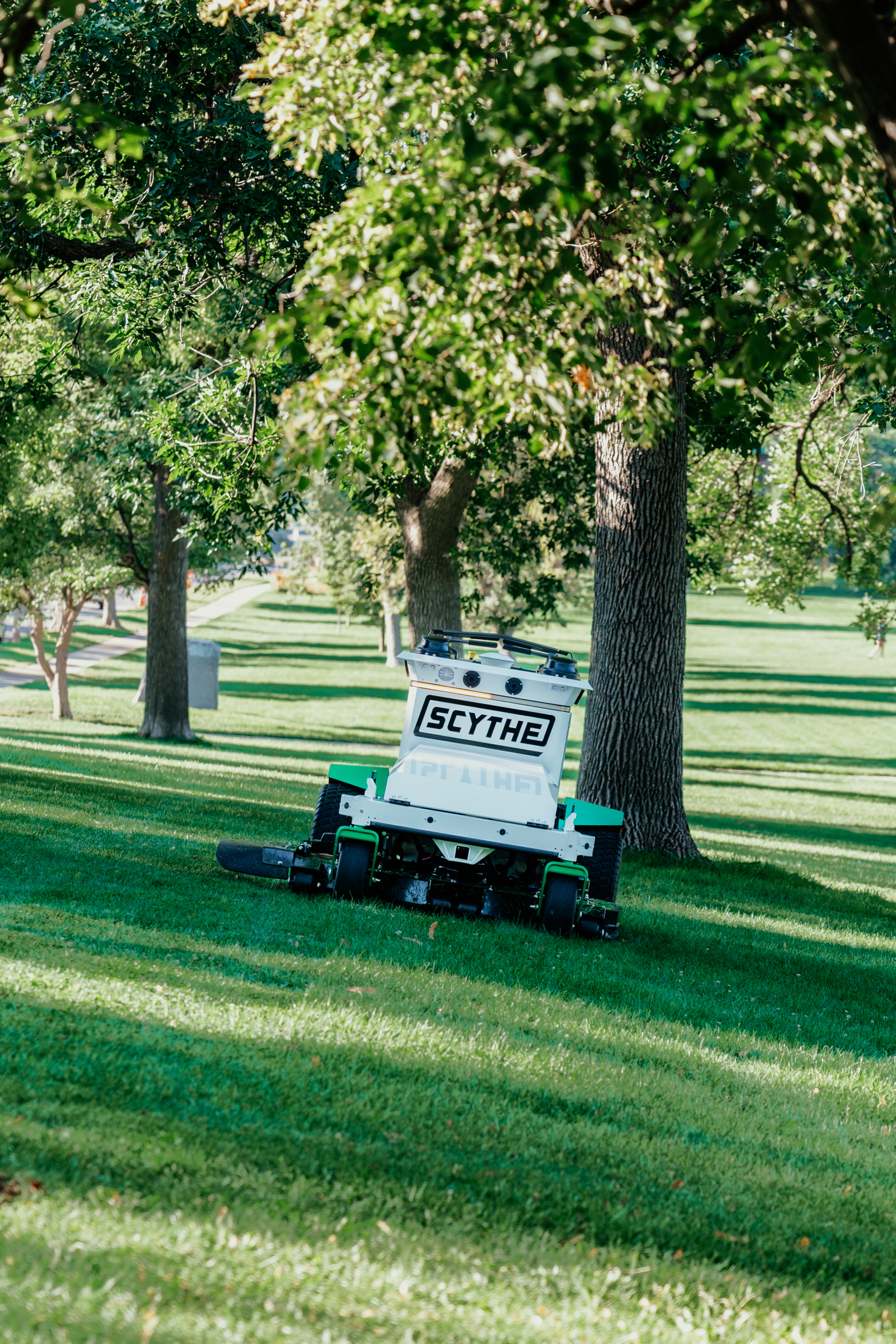
Deal brings Scythe Sight® AI vision and M.52 into ASI’s Mobius®-powered portfolio, accelerating sustainable outdoor care Mendon, UT – March 11, 2026: Autonomous Solutions, Inc. (ASI), the worldwide leader of industrial vehicle automation and developer of the Mobius autonomous fleet management system, announces the acquisition of Scythe Robotics, the Colorado-based developer of advanced, commercial-grade autonomous […]

Screening Within the 10th Annual Churros4Change Features Innova and Beeline Collaboration of Bringing Mobility with Robotic Wheelchairs to Guatemala
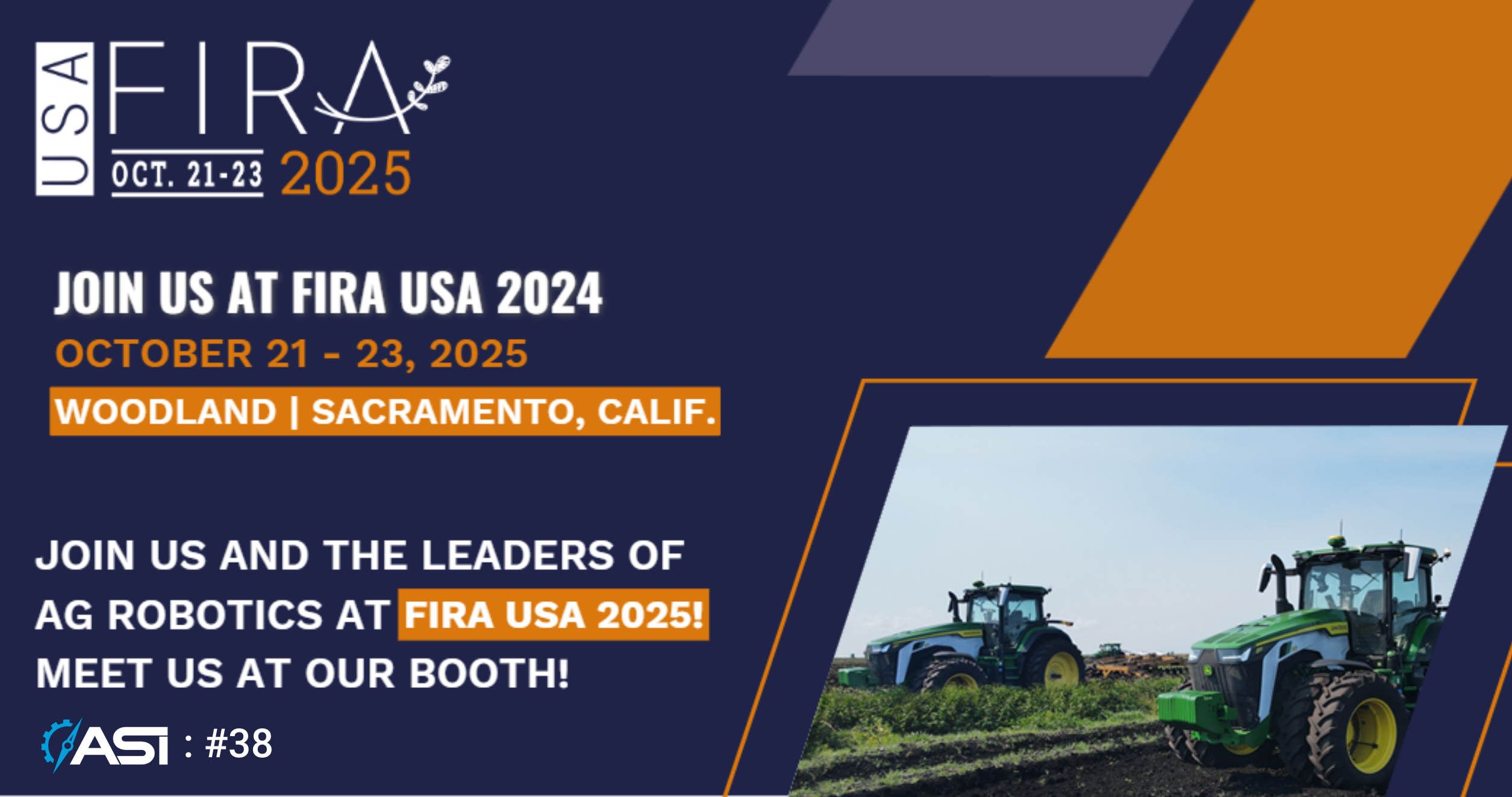
October 21-23 Event Features Full Fleet Brand Agnostic Autonomy to Offset Labor Shortages and Optimize Productivity for Future Farming

July 30th Ribbon Cutting a Milestone Moment for Autonomous Solutions, Inc. and Its Ever-growing US Footprint

Powered by 25 Years of Expertise, ASI’s Team Builds a Future Where People and Machines Work Smarter Together

Utah-Based “People-Building Robot Company” Employer’s Honor Comes on the Heels of ASI’s Global Expansion and Hiring for UT and TX Locations
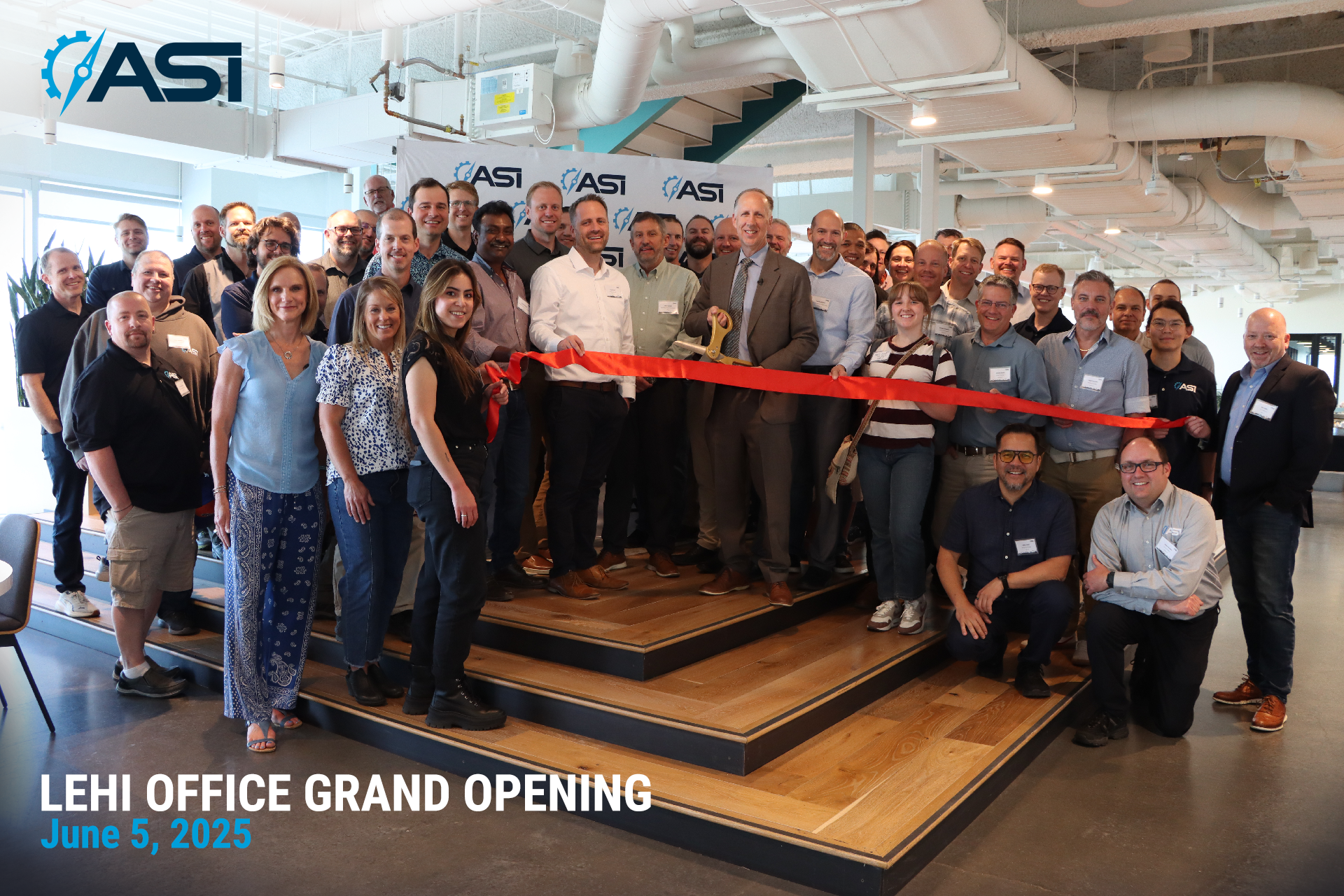
June 5th Ribbon Cutting Exemplifies the Rapid Technology Expansion of Autonomous Solutions, Inc. Within US

ASI expands its Utah presence, leasing WeWork’s largest space at Innovation Pointe
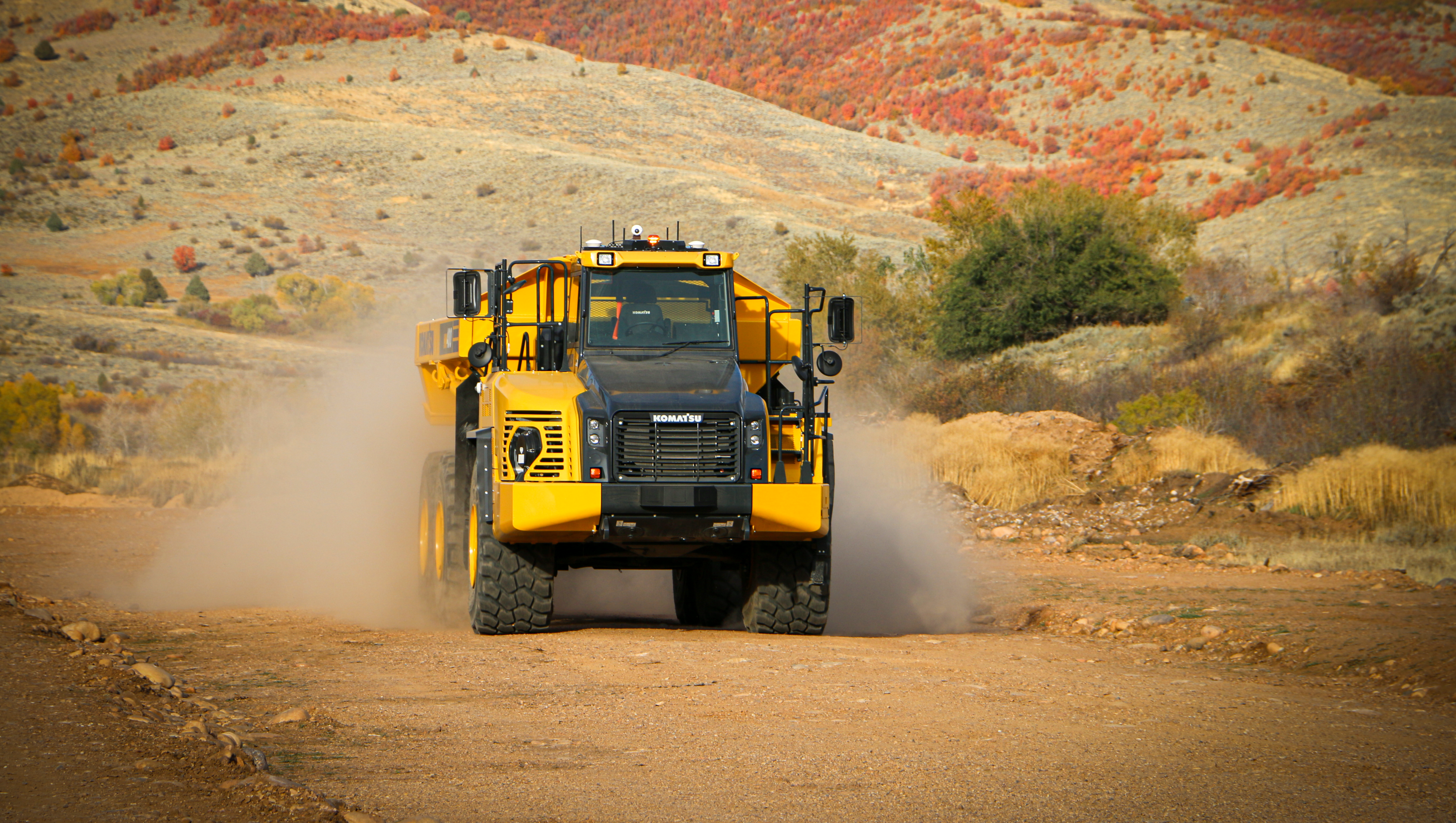
ASI Heavy Construction Will Operate a Fleet of Autonomous Vehicles Using Mobius™ for US-Based Project

Autonomous Solutions, Inc. (ASI) announced that it is shifting its Automotive team from OEM proving ground automation to support its agriculture, construction, landscaping, and logistics sectors. This transition follows the divestiture of ASI Mining, with the capital from the sale enabling a significant expansion in customer deployments. The Automotive team’s expertise in simulation, test automation, […]

Mendon, Utah: Autonomous Solutions, Inc. (“ASI”), a pioneer in the automation of industrial vehicle systems, is pleased to announce the sale of business unit, ASI Mining to Epiroc, a world leader in mining equipment and solutions. Epiroc acquired a 34% stake in ASI Mining in 2018 and will now take full ownership of the company. […]

Along side a world-leading OEM. ASI has developed autonomous technology capable of choreographed testing of ADAS/AV systems. We call this technology SWARMING. Based on studies such as those done by NHTSA, OEMs are finding that using simulation to test, validate, and verify ADAS/AV systems simply isn’t enough. There is a large frequently unaddressed gap in ensuring these vehicles are […]

Autonomous yard shifting uses trucks from different OEMs to perform daily tasks and routines without the need for a driver in the cab. As a result, it offers the ability to oversee and control operations of multiple trucks from a control room onsite, or thousands of miles away. The industry’s most capable and proven command […]

New architecture to increase situational awareness and safety in GPS-compromised environments. [Mendon, UT] Autonomous Solutions, Inc. (ASI) has been awarded a Phase Two grant from the U.S. Army Combat Capabilities Development Command Ground Vehicles Systems Center (formerly TARDEC). Based on the progress achieved during Phase One, ASI was chosen to continue development of a Deep […]
Mendon Utah – ASI Mining and MS4M, a provider of real-time mine management and optimization solutions, have entered into an agreement to ensure compatibility between ASI Mining’s Mobius® Platform and MS4M’s ControlSense® fleet management system (FMS) software for autonomous vehicles. ASI Mining’s Traffic Management System (TMS) is designed to work with a variety of FMS […]

Schedule a demo to see our autonomous solutions in action
Steadfast automation, where and when you need it, is the cornerstone of what ASI provides. From law enforcement to industrial solutions, robotics cannot be a force multiplier without this level of command and control.

Brian Higgins
Group 77


