


“Unfortunately, primarily due to risk aversion (of cost and technology) there is an old adage in the mining sector that ‘miners like to be first to be second,'”
says EY’s Business Risks Facing Metals and Mining 2016 report which focuses on ten industry conditions that could create risks or opportunities for mining companies going into the new year. Amongst the risks highlighted by EY, innovation, or rather mining’s natural aversion to innovation, makes the No. 10 spot.
“It is clear that compared with most other sectors, there is a deficit of transformational innovation in the [mining] sector,” EY reported.
“The first automated truck was seen 20 years ago and yet there is not a complete fleet in existence at a mine.”
The closest thing we have seen to having a fully automated fleet is Rio Tinto’s Mine of the Future that touts a network of 69 unmanned haul trucks. Rio’s competitors are working to catch up, but in 20 years should not the sector as a whole be farther down the innovation cycle with a technology that is clearly beneficial?
EY’s point? Those that innovate will survive. Those that don’t? Well, you get the idea.
[/col]
[col]
So, where is the innovation? Driven by seemingly unending demand of the super-cycle’s upswing and peak, mining companies were scaling with one focus: output. Little consideration was placed on productivity or innovation, only meeting demand as quickly as possible. However, with today’s market now swinging the other direction, miners find themselves in opposite conditions with boards and investors highly averse to any spending outside of necessary operations.
Even amidst these conditions, EY suggests miners are still in a position for investment in innovation: “Just as ‘necessity is the mother of invention,’ so is super-correction the catalyst for fresh innovation in the sector.” As short-term cost cutting methods have been depleted, the report goes on to recommend innovation as a major key to surviving the bottom of the cycle and positioning companies to take off when the anticipated upswing takes place.
As can be seen from the opening quote, though, mining companies that are interested in innovating face an uphill battle, both culturally and through current market conditions. Our aim today is to provide three ways mining companies can avoid the pain of incorporating innovation into their operations:
[/col]
[col size=”double”]
[/col]
[more]
[col]
Incorporate Methods Proven in Other Industries
Incorporating innovation is a formidable challenge, but not a new challenge. Other industries, particularly the automotive and manufacturing sectors, have climbed this mountain before. Ford Motor Company is a dramatic case in point. “In 2006, [Ford] lost over US$12 billion following a collapse in consumer demand. Between 2011 and 2014, however, Ford realized annual profits ranging from US$6.2 billion to US$8.3 billion,” reads the Deloitte’s “Tracking the Trends 2016” report.
The discussion of the methods used by Ford in their turnaround and by other companies throughout the automotive and manufacturing sectors could be the subject of countless articles. Still, Deloitte’s report focused on several methods that might be useful to the mining industry, including: working with instead of against labor unions, generous severance packages, taking control of supply chains, focusing on problem resolution instead of blaming, adoption of “lean” practices, and embracing emerging technologies such as robotics. As mining companies follow examples set by other sectors, they may discover methods that match their needs and are easy to incorporate.
[/col]
[col]
Lean on Third-Party METS Providers
Rio Tinto’s Mine of the Future represents one of the only examples we have of large scale innovation in the mining industry. However, is Rio Tinto the industry model, or is it setting a high bar for other miners who can’t match their scale? Following Rio footsteps and committing to an original equipment manufacturer (OEM) may not be the only way, or even the best way, to get results from innovation.
Relying on OEM vehicles requires a significant capital investment as miners are required to replace their existing fleet with automation-ready vehicles. Another option, albeit counter-culture, is partnering with smaller mining equipment, technology, and services (METS) companies to develop technology in tandem with miner needs. “Organizations are reluctant to give small (METS) companies an opportunity until innovation is proven,” points out EY. “From other sectors, it has been proven that increasing collaboration will catalyze innovation; it also brings the benefit of cost-sharing and de-risking.”
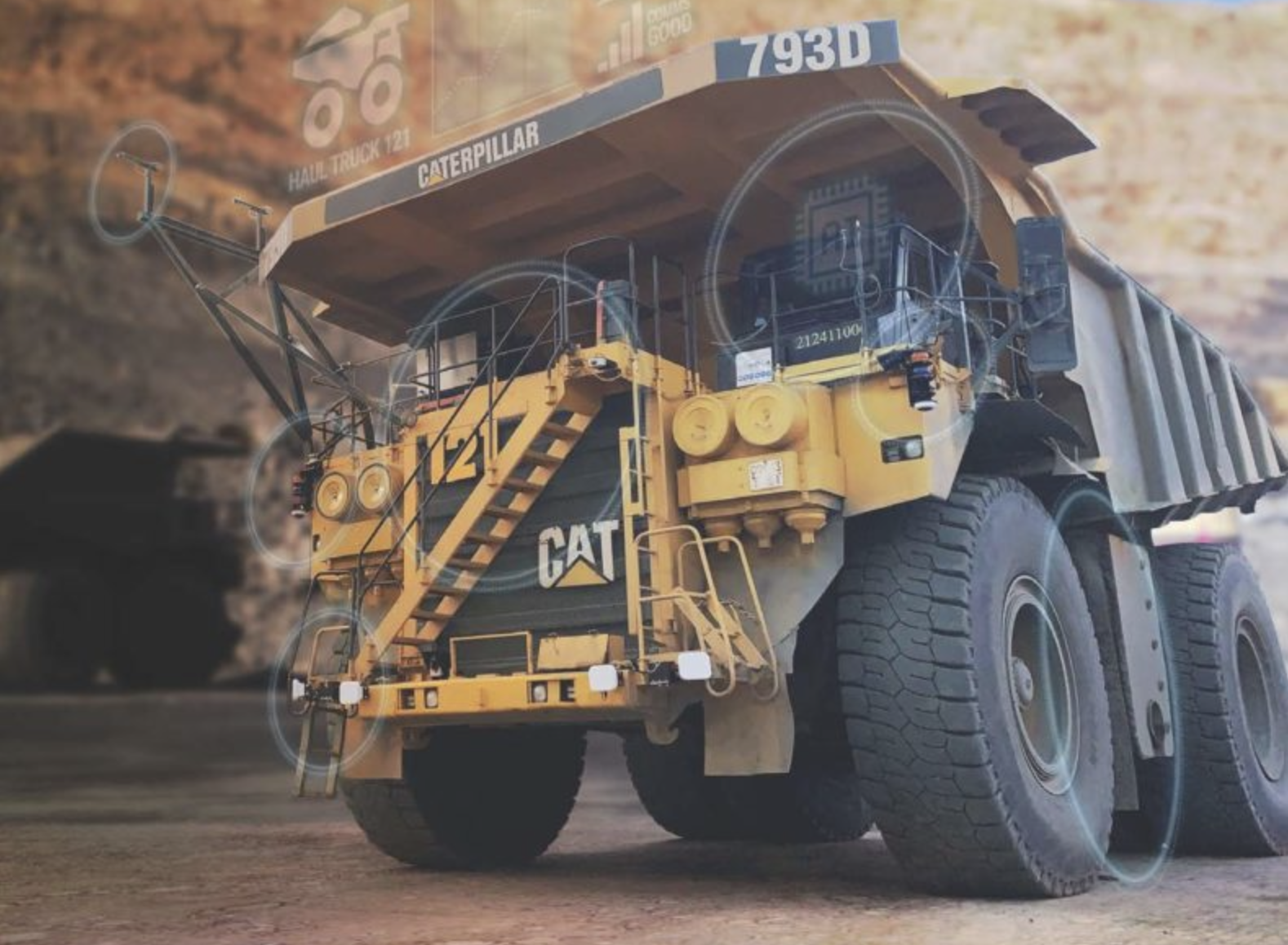
Autonomous Solutions, Inc. (ASI) is an example of a METS organization that specializes in mining vehicle automation. Instead of replacing the existing fleet, ASI’s technology retrofits to vehicles and infrastructure, allowing miners to implement automation at a significantly lower price point.
[/col]
[col]
Create a Grassroots Culture of Innovation
While company DNA can be difficult to alter, creating a climate that welcomes change is a necessary step in developing a long-term focus on innovation. One of the ways Ford achieved success in their dramatic turnaround was through placing the innovation burden on their employees, who embraced the task.
“Ford also put transformational responsibility squarely into the hands of its workers, rather than keeping it confined to expert engineers and managers,”
said Deloitte. “This marked a shift from the ‘…assumption that people need to be monitored and controlled on the job, to an assumption that people want to do a good job, and the focus should be on providing them with the tools and resources to do the best job they can.'”
Leveraging the diverse points of view and hands-on experience of all mining employees can improve morale, pinpoint areas that need innovation the most, and generate ideas on how to solve these issues.
[/col]
[col]
To learn more about how to survive the current super-correction conditions, download EY’s Business Risks Facing Mining and Metals 2016:
[/col]
[/more]
[/row]
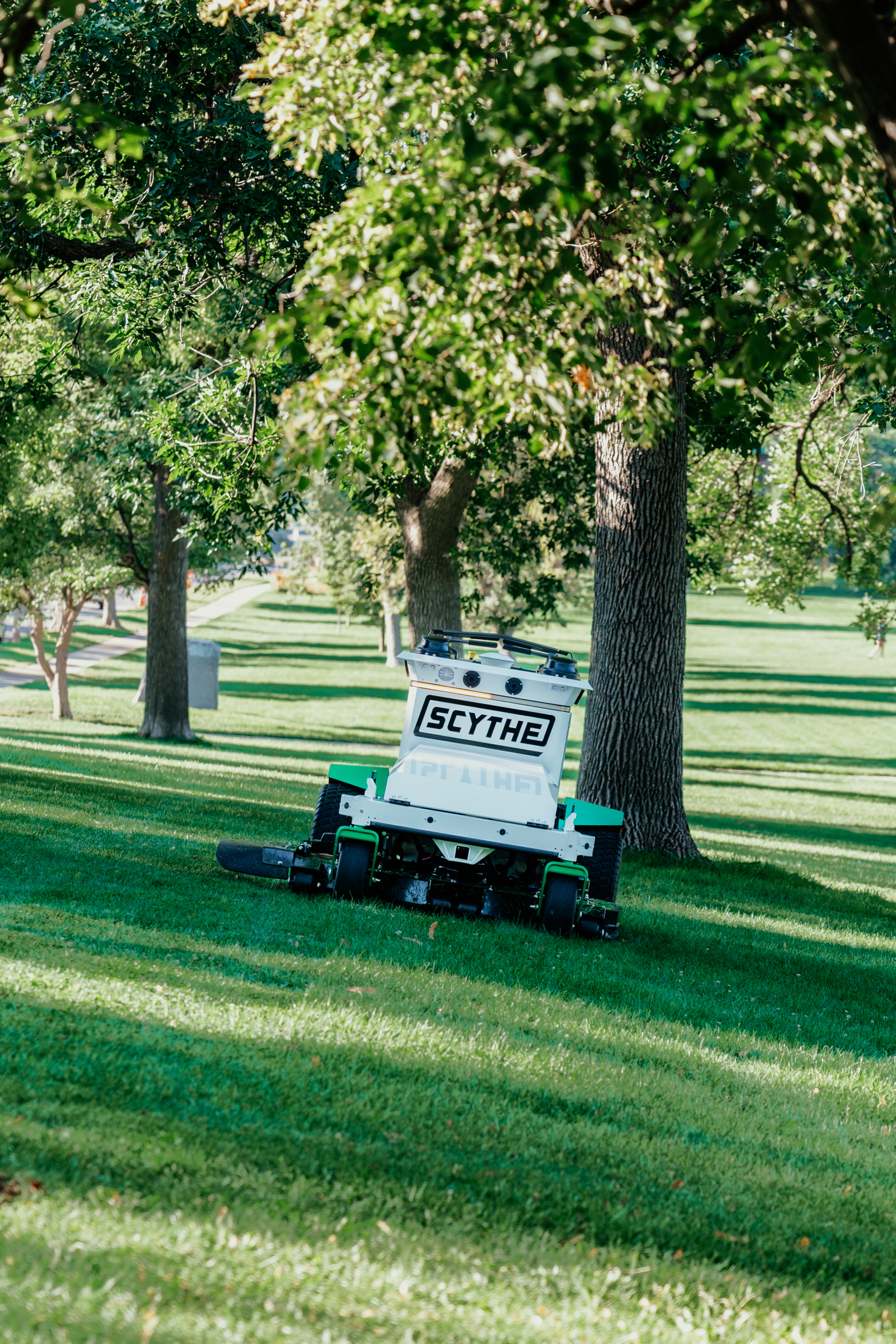
Deal brings Scythe Sight® AI vision and M.52 into ASI’s Mobius®-powered portfolio, accelerating sustainable outdoor care Mendon, UT – March 11, 2026: Autonomous Solutions, Inc. (ASI), the worldwide leader of industrial vehicle automation and developer of the Mobius autonomous fleet management system, announces the acquisition of Scythe Robotics, the Colorado-based developer of advanced, commercial-grade autonomous […]

Screening Within the 10th Annual Churros4Change Features Innova and Beeline Collaboration of Bringing Mobility with Robotic Wheelchairs to Guatemala

October 21-23 Event Features Full Fleet Brand Agnostic Autonomy to Offset Labor Shortages and Optimize Productivity for Future Farming

July 30th Ribbon Cutting a Milestone Moment for Autonomous Solutions, Inc. and Its Ever-growing US Footprint

Powered by 25 Years of Expertise, ASI’s Team Builds a Future Where People and Machines Work Smarter Together
Utah-Based “People-Building Robot Company” Employer’s Honor Comes on the Heels of ASI’s Global Expansion and Hiring for UT and TX Locations
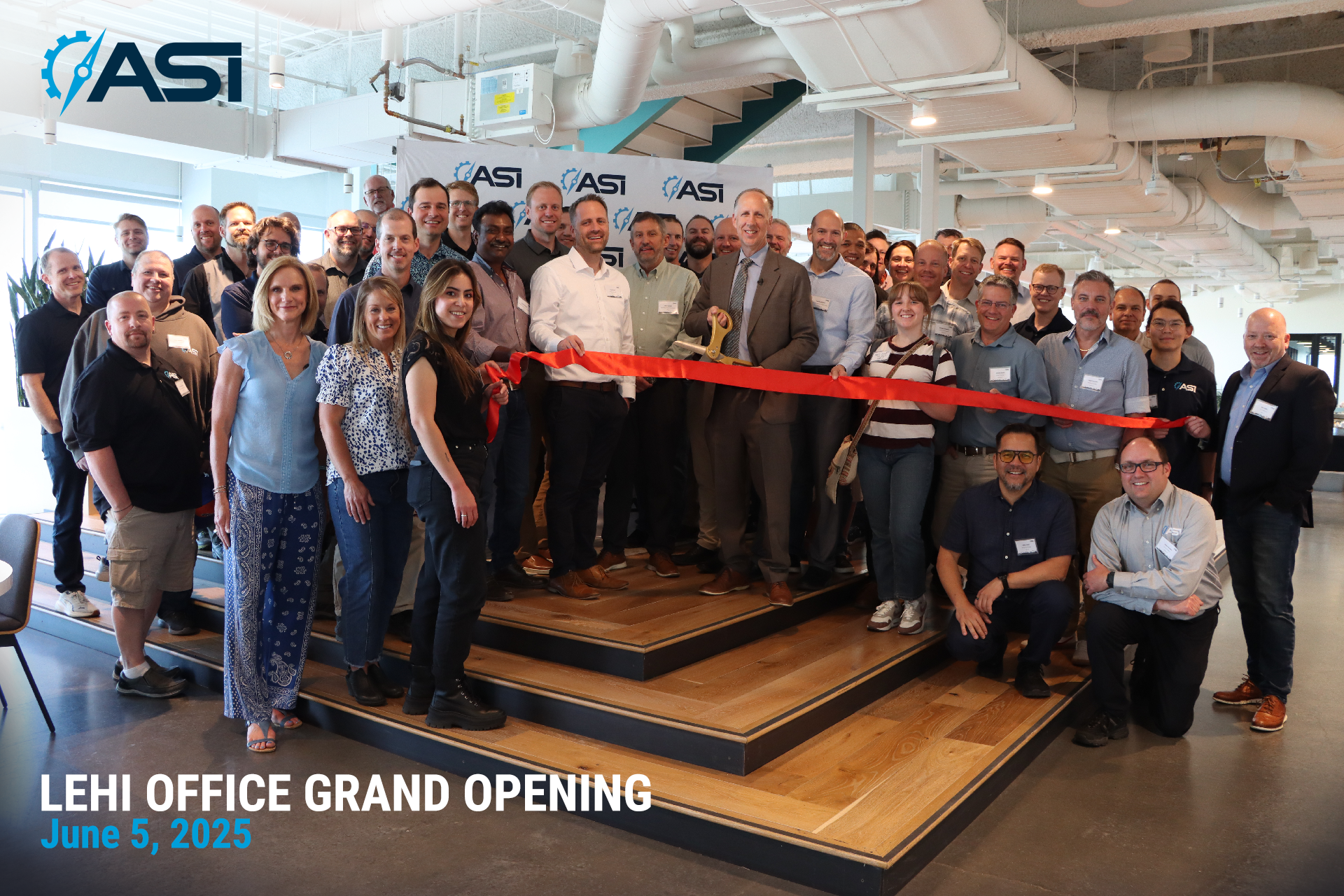
June 5th Ribbon Cutting Exemplifies the Rapid Technology Expansion of Autonomous Solutions, Inc. Within US

ASI expands its Utah presence, leasing WeWork’s largest space at Innovation Pointe
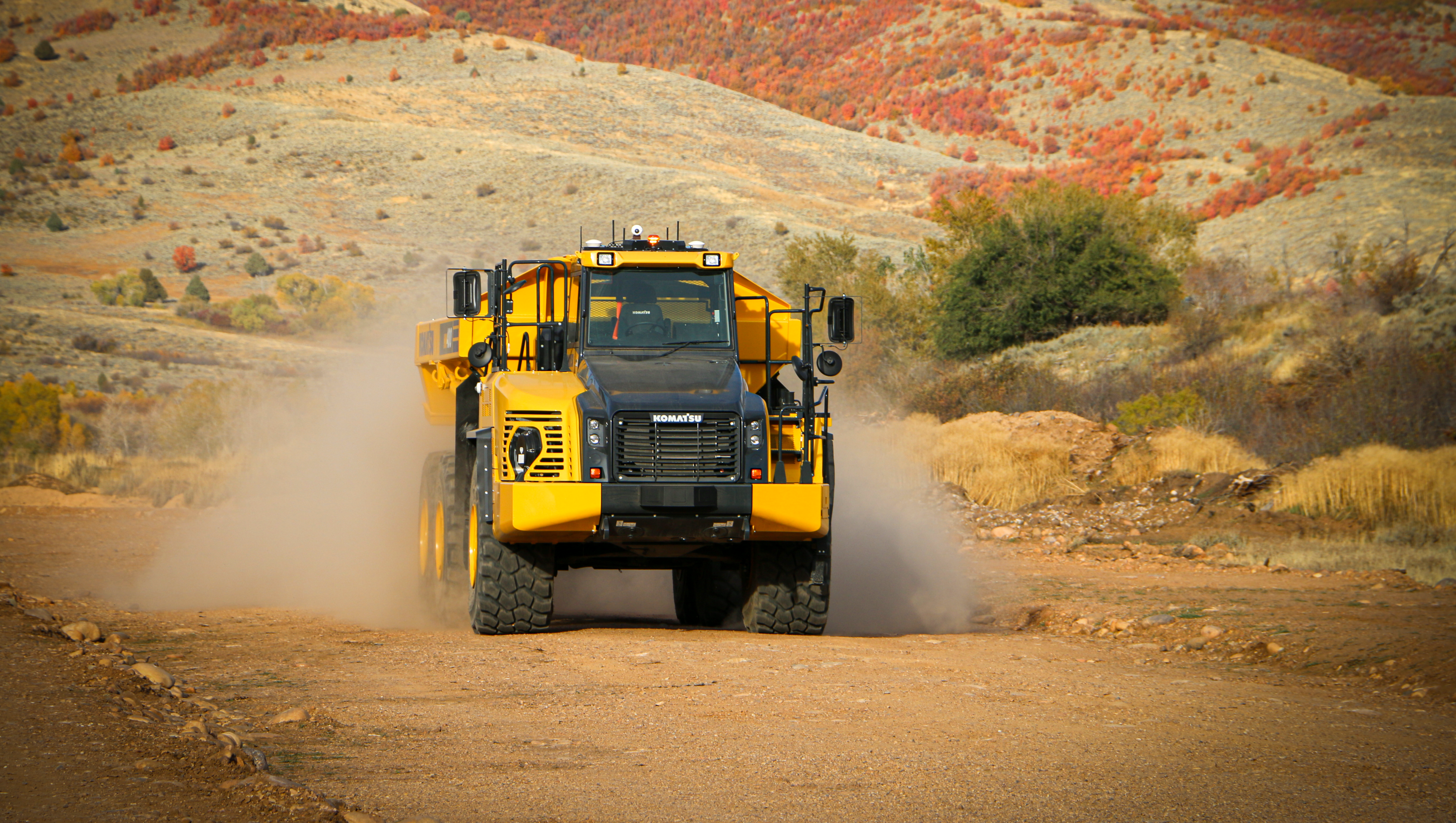
ASI Heavy Construction Will Operate a Fleet of Autonomous Vehicles Using Mobius™ for US-Based Project

Autonomous Solutions, Inc. (ASI) announced that it is shifting its Automotive team from OEM proving ground automation to support its agriculture, construction, landscaping, and logistics sectors. This transition follows the divestiture of ASI Mining, with the capital from the sale enabling a significant expansion in customer deployments. The Automotive team’s expertise in simulation, test automation, […]

Mendon, Utah: Autonomous Solutions, Inc. (“ASI”), a pioneer in the automation of industrial vehicle systems, is pleased to announce the sale of business unit, ASI Mining to Epiroc, a world leader in mining equipment and solutions. Epiroc acquired a 34% stake in ASI Mining in 2018 and will now take full ownership of the company. […]

Along side a world-leading OEM. ASI has developed autonomous technology capable of choreographed testing of ADAS/AV systems. We call this technology SWARMING. Based on studies such as those done by NHTSA, OEMs are finding that using simulation to test, validate, and verify ADAS/AV systems simply isn’t enough. There is a large frequently unaddressed gap in ensuring these vehicles are […]

Autonomous yard shifting uses trucks from different OEMs to perform daily tasks and routines without the need for a driver in the cab. As a result, it offers the ability to oversee and control operations of multiple trucks from a control room onsite, or thousands of miles away. The industry’s most capable and proven command […]

New architecture to increase situational awareness and safety in GPS-compromised environments. [Mendon, UT] Autonomous Solutions, Inc. (ASI) has been awarded a Phase Two grant from the U.S. Army Combat Capabilities Development Command Ground Vehicles Systems Center (formerly TARDEC). Based on the progress achieved during Phase One, ASI was chosen to continue development of a Deep […]
Mendon Utah – ASI Mining and MS4M, a provider of real-time mine management and optimization solutions, have entered into an agreement to ensure compatibility between ASI Mining’s Mobius® Platform and MS4M’s ControlSense® fleet management system (FMS) software for autonomous vehicles. ASI Mining’s Traffic Management System (TMS) is designed to work with a variety of FMS […]

Schedule a demo to see our autonomous solutions in action
Steadfast automation, where and when you need it, is the cornerstone of what ASI provides. From law enforcement to industrial solutions, robotics cannot be a force multiplier without this level of command and control.

Brian Higgins
Group 77


