home/
Press Releases/


[row]
[col size=”double”]
 The October 2013 issue of the International Resource Journal highlights the capabilities of ASI’s mining vehicle technology in the article “Age of Autonomy.”
[/col]
[col]
“One of the greatest benefits of automation is the efficiency of a machine, and the way in which it operates,” said Mitch Torrie, Director of Vehicle Automation at ASI to Juliet Langton, Editor of the International Resource Journal (IRJ). The IRJ approached Torrie in August about the impact of vehicle automation in the mining industry. ASI has provided robotic solutions to the mining industry for about ten years and has taken part in a range of technology advancements over the years. The following quotations are excerpts from Torrie’s interview with the IRJ.
Productivity & Cost Improvements
“Often we get reports from customers that their manual drivers will speed down a hill, potentially damaging the vehicle frame, so that they can sit and eat their lunch or read the newspaper,” said Torrie.
[/col]
[col]
Automation technology is designed to operate mining equipment as closely to OEM specs and safe operating procedures for the environment as possible, making maintenance schedules much more predictable.
“Even if the operator sets a high speed on a road, for example,” continued Torrie, “the software looks ahead and knows the center of gravity and the mass and everything else for the vehicle, and it will slow the vehicle down for a corner if it might roll at the speed that the operator set.”
One of the greatest barriers to the acceptance of mining automation technology has been the high cost. However, as the technology becomes more refined, the prices continue to become more affordable.
[/col]
[/row]
[row]
[more]
[col]
“When we started,” said Torrie, “the price for one GPS unit with 2.5cm accuracy was $55,000—now it’s more like $7000. Our technology is priced at a fraction of the cost of the machines to which it is fitted… automation costs about $150,000 for your typical vehicle. The technology pays itself off pretty quickly.”
Mine Safety
Safety is one of the key concerns for mining companies around the world. Recent years have seen highly publicized mine incidents, highlighting the dangers of the environment. Partially or completely removing human workers from the mine site improves the safety outlook.
[/col]
[col]
In addition, automated mining vehicles are typically equipped with a variety of safety sensors that detect obstacles, workers, and other vehicles in the operating area. ASI develops its command and control software with a variety of safety parameters to further improve safety.
“If there’s a blind corner,” explained Torrie. “Or a vehicle coming up over the other side of the hill, the GPS software can see what’s there and stop the vehicle if a collision is possible.” Additional LiDAR or radar sensors enhance the ability of vehicles to “see” what is around them and react in a safe manner.
[/col]
[col]
The Future of Mining
“Like any emerging technology,” said Torrie, “vehicle automation still has to prove itself. Mining is one of the newest industries to adopt unmanned vehicles, although it has been trying to do it for many years.
“There are several mining companies buying unmanned systems now, and the more mines using the technology, the more people will understand its capabilities and embrace it. I think that the more widespread the technology becomes, the better it will become.”
[/col]
[col]
Read the full article by accessing the October 2013 issue of the International Resource Journal.
[/col]
[/more]
[/row]


SoftBank Funding Combined with ASI’s 25+ Years of Mobius® Fleet Management Expertise Will Accelerate Commercialization of OEM-Agnostic, Mixed-Fleet Autonomous Solutions for Next-Generation Infrastructure. Mendon, UT – Sept 24, 2026: Autonomous Solutions, Inc. (ASI), the worldwide leader of industrial vehicle automation and creator of Mobius®, the platform that defined Industrial Autonomous Fleet Orchestration (IAFO), has formed […]

ASI’S One Platform, Mobius®, Takes Center Stage by Orchestrating Simultaneous Operations Across Any Brand Mendon, UT – September 02, 2026: Autonomous Solutions, Inc. (ASI), the worldwide leader of industrial vehicle automation and creator of Mobius®, the platform that defined Industrial Autonomous Fleet Orchestration (IAFO), today released a new brand video that puts ASI’s 25+ year […]

The “People-Building Robot Company” is Advancing Automation by Amplifying Human Potential Mendon, UT – July 8, 2026: Autonomous Solutions, Inc. (ASI), the worldwide leader of industrial vehicle automation and creator of Mobius®, the platform that defined Industrial Autonomous Fleet Orchestration (IAFO), for the second straight year has been Certified™ by Great Place To Work®. This […]
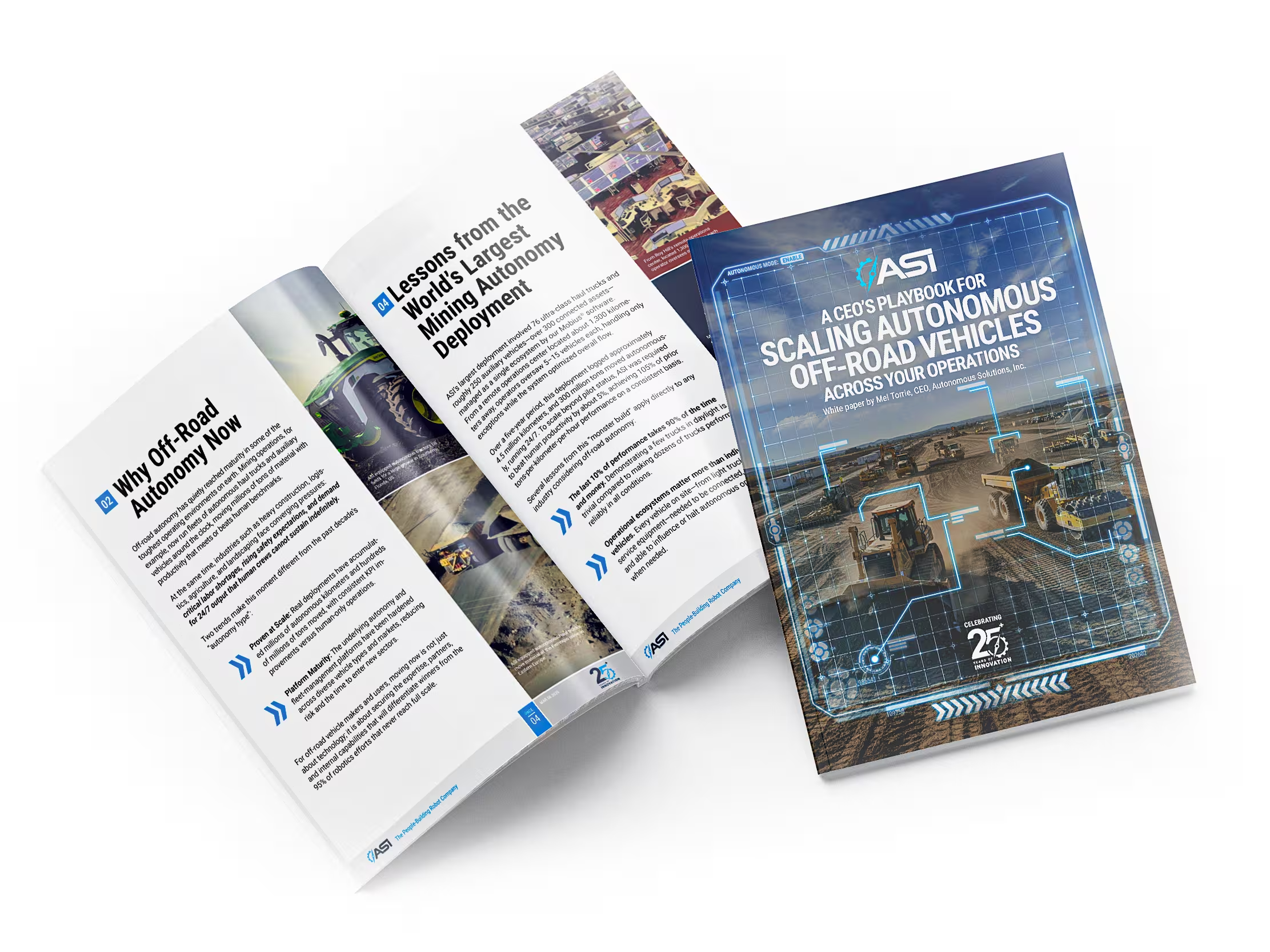
New White Paper Delivers a Proven Roadmap to Move from Pilot to Full-scale Automation Mendon, UT – June 10, 2026: Autonomous Solutions, Inc. (ASI), the worldwide leader of industrial vehicle automation and developer of the Mobius® autonomous fleet management system, announces the publication of a new white paper, “A CEO’s Playbook for Scaling Autonomous Off-Road […]

Clewiston, FL – U.S. Sugar today announced the launch of the largest commercial use of autonomous tractors in the American sugar industry, deploying a fleet of unmanned John Deere tractors across its 255,000 acres of farmland in South Florida. The autonomous fleet is fitted with American technology developed by Autonomous Solutions, Inc. (ASI) and secured […]

Deal brings Scythe Sight® AI vision and M.52 into ASI’s Mobius®-powered portfolio, accelerating sustainable outdoor care Mendon, UT – March 11, 2026: Autonomous Solutions, Inc. (ASI), the worldwide leader of industrial vehicle automation and developer of the Mobius autonomous fleet management system, announces the acquisition of Scythe Robotics, the Colorado-based developer of advanced, commercial-grade autonomous […]

Screening Within the 10th Annual Churros4Change Features Innova and Beeline Collaboration of Bringing Mobility with Robotic Wheelchairs to Guatemala

October 21-23 Event Features Full Fleet Brand Agnostic Autonomy to Offset Labor Shortages and Optimize Productivity for Future Farming
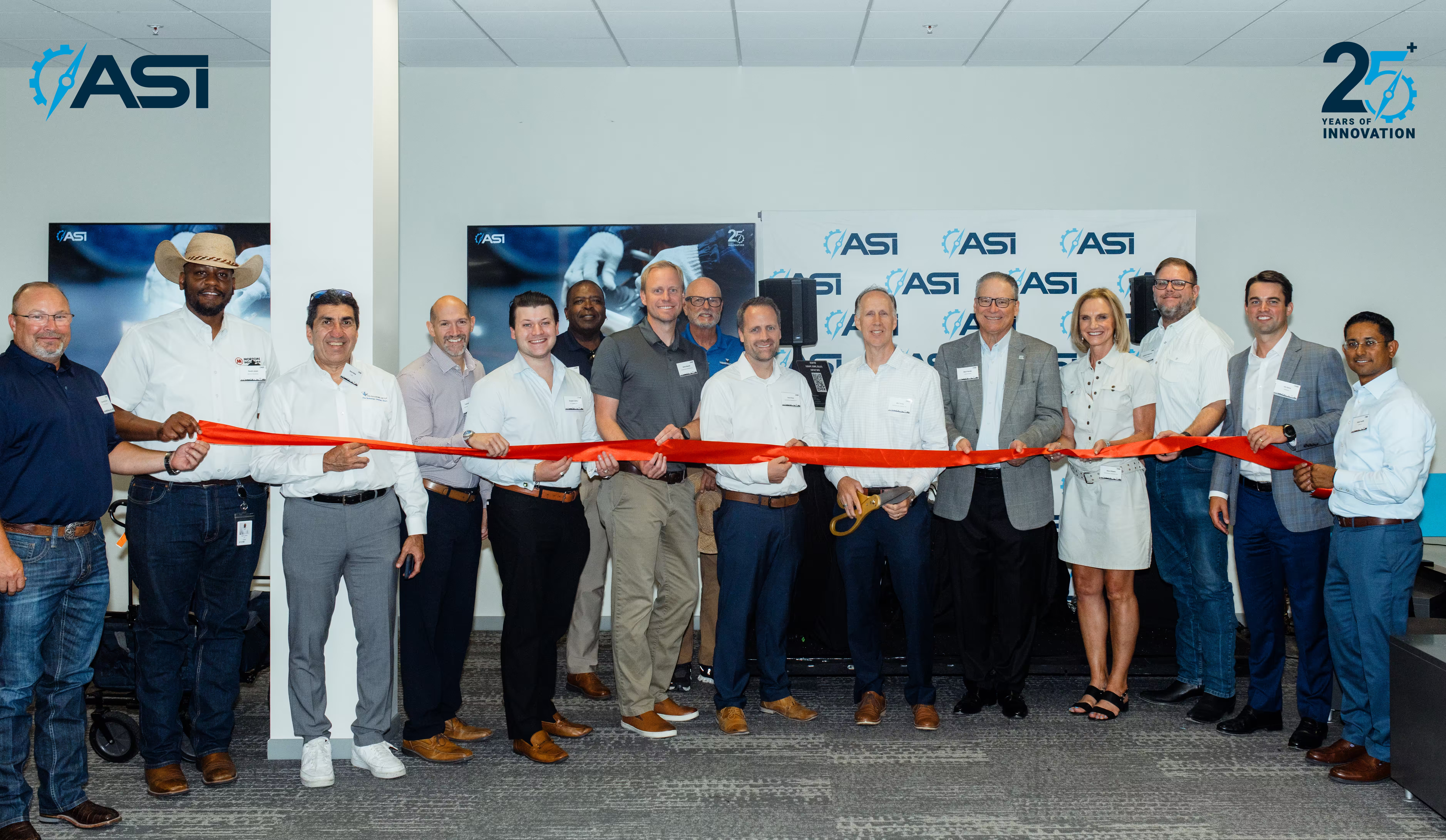
July 30th Ribbon Cutting a Milestone Moment for Autonomous Solutions, Inc. and Its Ever-growing US Footprint

Powered by 25 Years of Expertise, ASI’s Team Builds a Future Where People and Machines Work Smarter Together

Utah-Based “People-Building Robot Company” Employer’s Honor Comes on the Heels of ASI’s Global Expansion and Hiring for UT and TX Locations
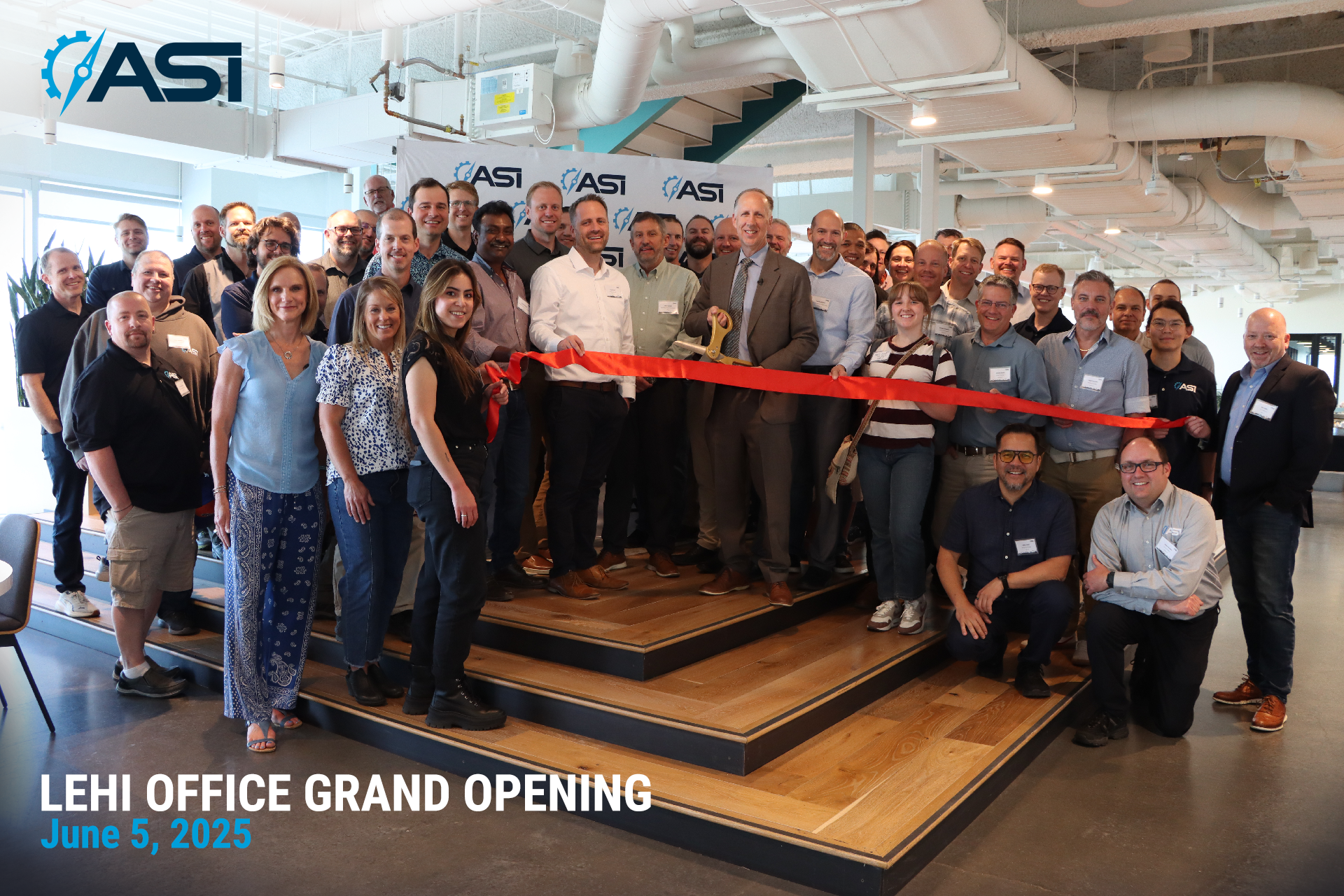
June 5th Ribbon Cutting Exemplifies the Rapid Technology Expansion of Autonomous Solutions, Inc. Within US

ASI expands its Utah presence, leasing WeWork’s largest space at Innovation Pointe

ASI Heavy Construction Will Operate a Fleet of Autonomous Vehicles Using Mobius™ for US-Based Project

Autonomous Solutions, Inc. (ASI) announced that it is shifting its Automotive team from OEM proving ground automation to support its agriculture, construction, landscaping, and logistics sectors. This transition follows the divestiture of ASI Mining, with the capital from the sale enabling a significant expansion in customer deployments. The Automotive team’s expertise in simulation, test automation, […]

Schedule a demo to see our autonomous solutions in action
Steadfast automation, where and when you need it, is the cornerstone of what ASI provides. From law enforcement to industrial solutions, robotics cannot be a force multiplier without this level of command and control.

Brian Higgins
Group 77

