

[row disablegap=”true”]
[col size=”double”]
 ASI’s Forge robotic platform completes robotic mowing tasks in a California vineyard. Robotic farming technologies help specialty crop growers deal with challenges such as labor and safety.
[/col]
[col]
It’s amazing to think that the food on your table today was growing somewhere else in the world just few weeks or even days ago. This is certainly the case for fresh fruits and vegetables that farmers often hand-harvest to prevent bruising and leverage local distribution networks to prevent spoilage.
Specialty crops… create an entirely new set of challenges for farmers.
Despite the challenges, according to the USDA’s Economic Research Service fruits and nuts account for around 13% of US crop receipts, equating to a staggering $18 billion annually.
[/col]
[col]
Fruits, nuts, and vegetables are part of a produce group called “specialty crops,” defined by the Specialty Crop Competitiveness Act of 2004 as “fruits and tree nets, vegetables, culinary herbs and spices, medical plants, as well as nursery, floriculture, and horticulture crops.”
Legally, specialty crops are separate from other commodity crops like grains and soybeans by a difference in government subsidies, but they also require many “special” considerations such as land, climate, farming techniques, labor, and marketing agreements that create an entirely new set of challenges for farmers.
[/col]
[/row]
[row]
[more]
[col]
Autonomous Solutions, Inc. (ASI) specializes in the hardware and software that convert farming vehicles from manual to robotic control. Robotic farm technology targets many of the challenges faced by specialty crop growers helping to increase yield while maintaining workforce safety.
Overcome labor shortages. In conversations with specialty crop growers, widespread labor shortages almost always come up. Labor is the largest variable expense for specialty crop grows, and farmers are constantly searching for a new labor supply to combat the unusually high attrition rates among equipment drivers.
[/col]
[col]
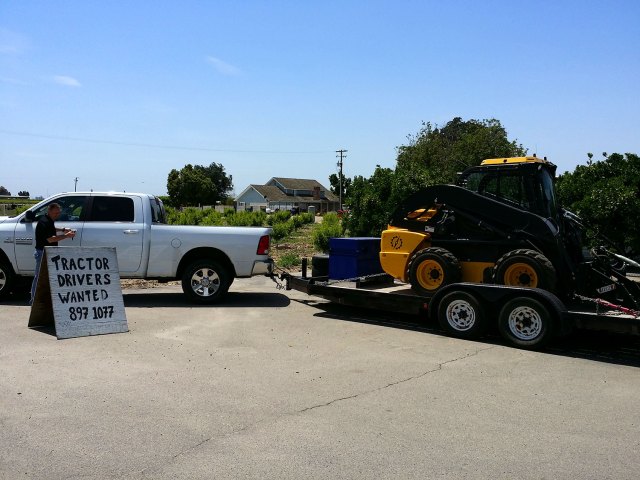 Vehicle robotics can help specialty crop growers combat labor shortages.
[/col]
[col]
By providing hardware and software that drives vehicles, ASI can help growers overcome the paralyzing effects of labor shortages.
Maintain driver health. Many specialty crop growers we’ve spoken to cultivate tens of thousands of acres and apply multiple fertilizer or pesticide treatments each season. During this time, drivers may be exposed to large amounts of potentially hazardous chemical spray. Farm robotics removes the driver from the cab, reducing prolonged exposure to these substances.
[/col]
[col]
Improve productivity. ASI’s robotic farming technology allows a single operator to manage multiple vehicles simultaneously. This one-to-many relationship dramatically improves farm productivity.
Reduce driver fatigue. One apple farmer we spoke to said they spray 1500 miles of orchards in five days at 2mph—a task they do 25 times a year. Remaining focused during this kind of driving can be difficult. Driver fatigue and/or inattentiveness can lead to damaged crops, inefficient spraying or mowing, and lower productivity. Farm vehicle robotics takes the mundane tasks out of the hands of human drivers, maintaining crop safety and overall productivity.
[/col]
[/more]
[/row]
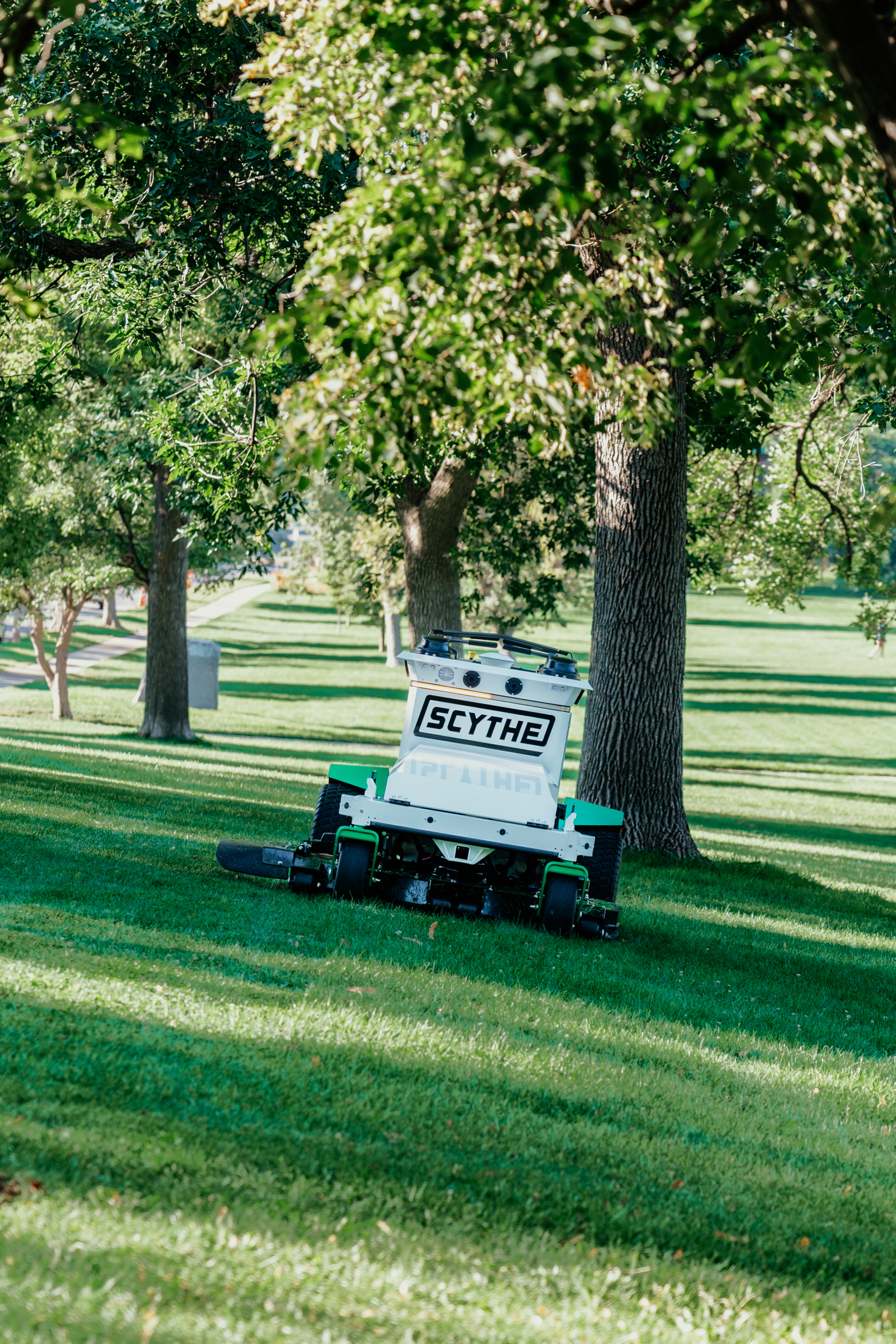
Deal brings Scythe Sight® AI vision and M.52 into ASI’s Mobius®-powered portfolio, accelerating sustainable outdoor care Mendon, UT – March 11, 2026: Autonomous Solutions, Inc. (ASI), the worldwide leader of industrial vehicle automation and developer of the Mobius autonomous fleet management system, announces the acquisition of Scythe Robotics, the Colorado-based developer of advanced, commercial-grade autonomous […]

Screening Within the 10th Annual Churros4Change Features Innova and Beeline Collaboration of Bringing Mobility with Robotic Wheelchairs to Guatemala
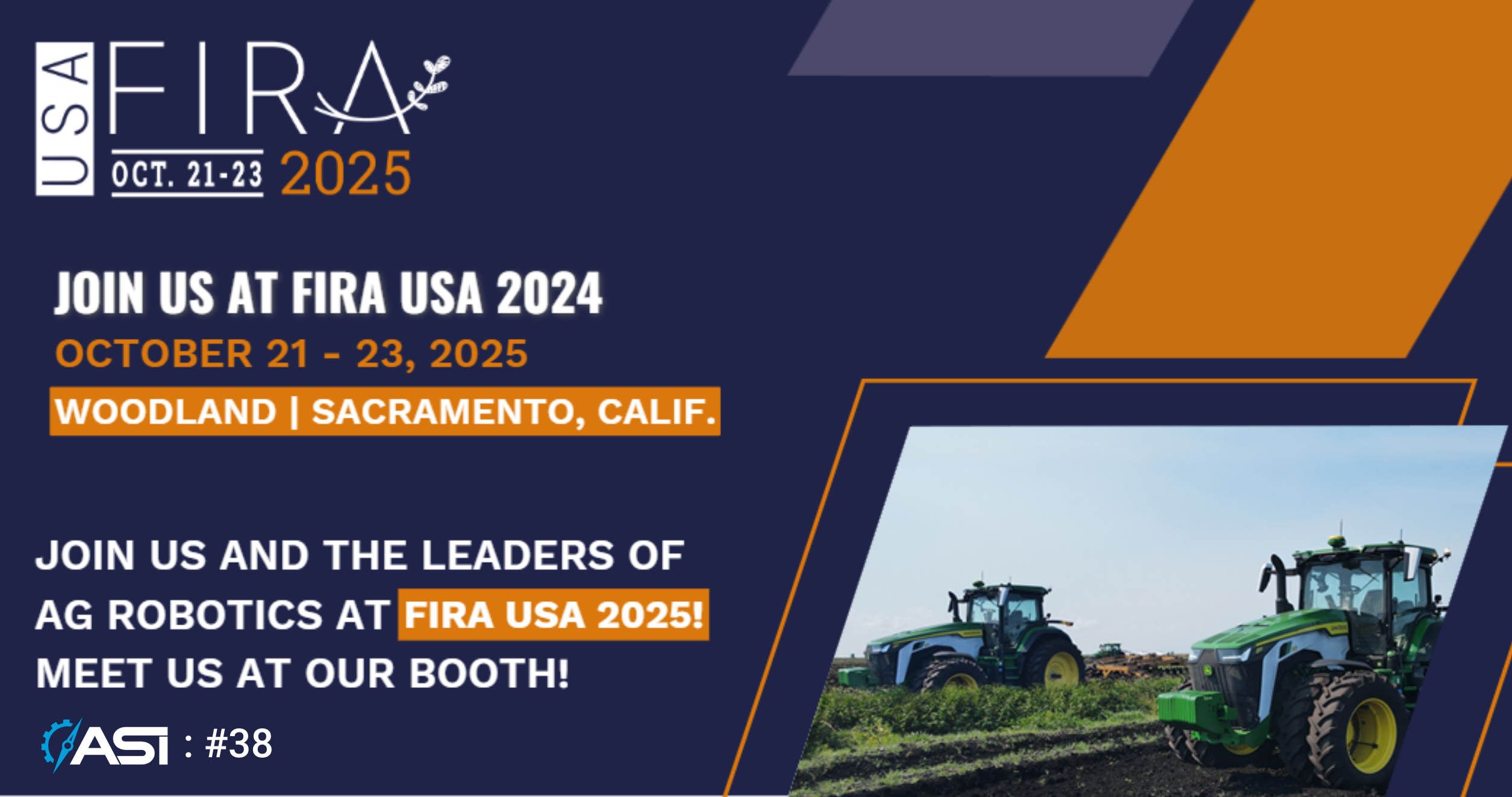
October 21-23 Event Features Full Fleet Brand Agnostic Autonomy to Offset Labor Shortages and Optimize Productivity for Future Farming

July 30th Ribbon Cutting a Milestone Moment for Autonomous Solutions, Inc. and Its Ever-growing US Footprint

Powered by 25 Years of Expertise, ASI’s Team Builds a Future Where People and Machines Work Smarter Together

Utah-Based “People-Building Robot Company” Employer’s Honor Comes on the Heels of ASI’s Global Expansion and Hiring for UT and TX Locations
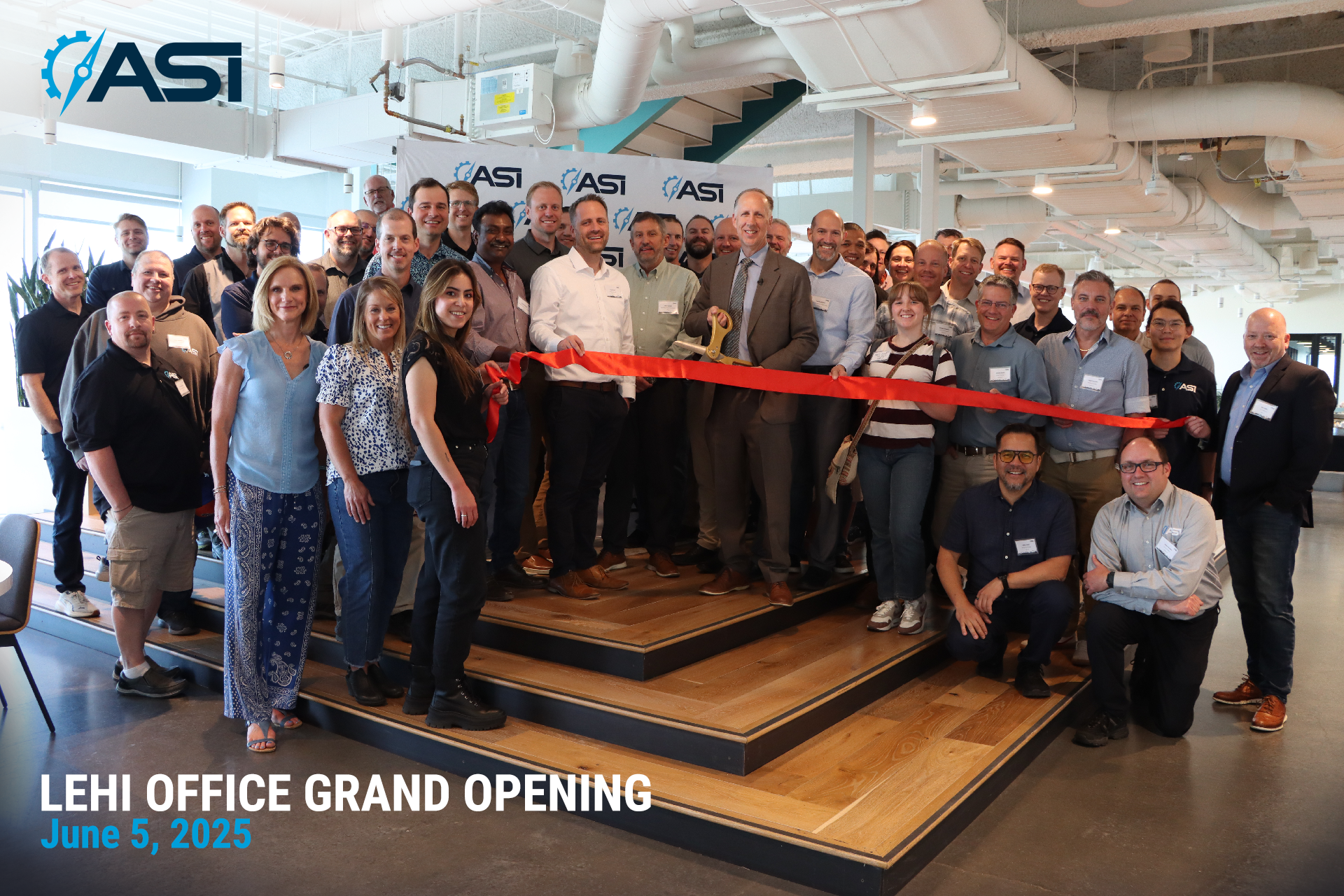
June 5th Ribbon Cutting Exemplifies the Rapid Technology Expansion of Autonomous Solutions, Inc. Within US

ASI expands its Utah presence, leasing WeWork’s largest space at Innovation Pointe
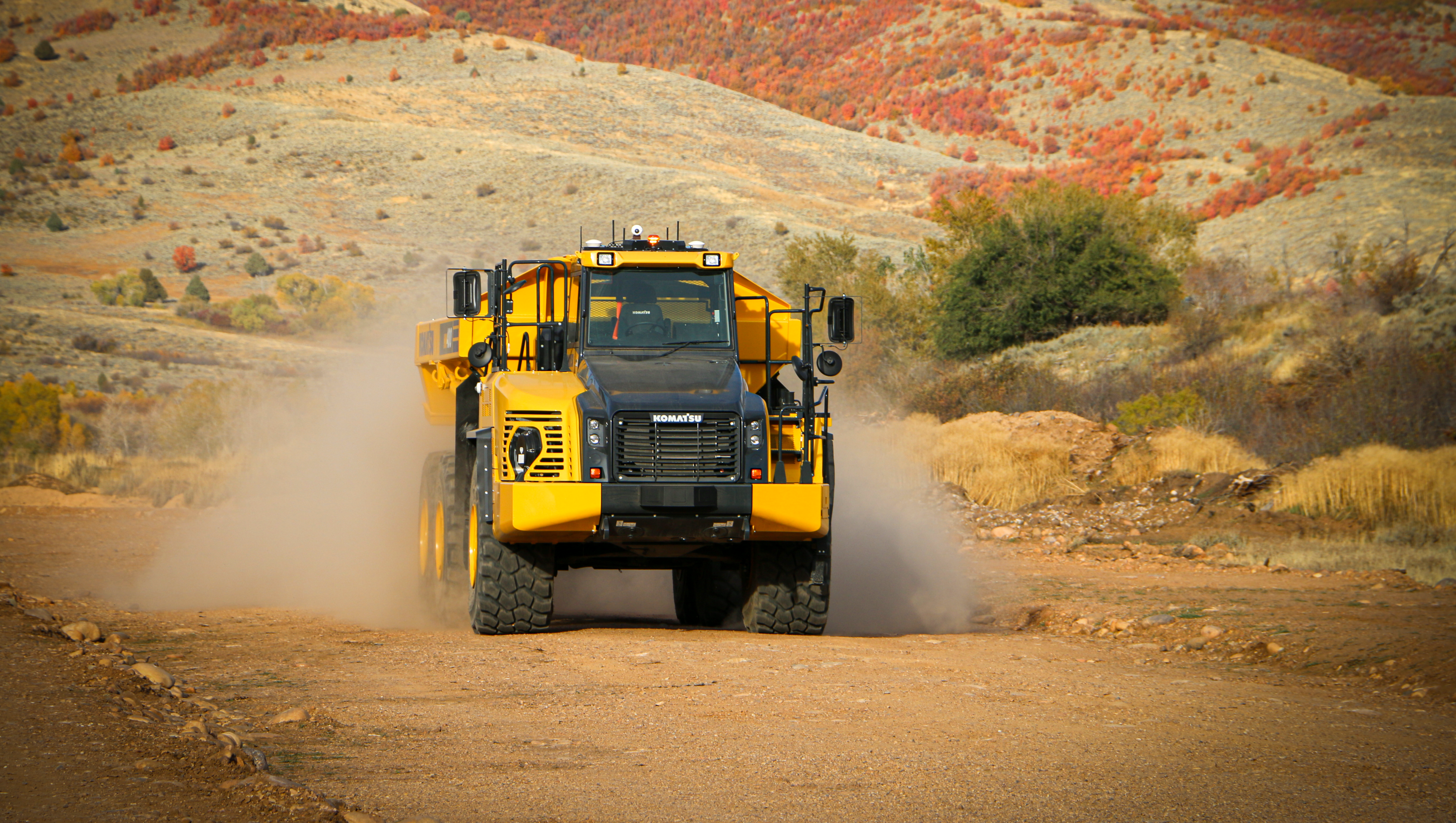
ASI Heavy Construction Will Operate a Fleet of Autonomous Vehicles Using Mobius™ for US-Based Project

Autonomous Solutions, Inc. (ASI) announced that it is shifting its Automotive team from OEM proving ground automation to support its agriculture, construction, landscaping, and logistics sectors. This transition follows the divestiture of ASI Mining, with the capital from the sale enabling a significant expansion in customer deployments. The Automotive team’s expertise in simulation, test automation, […]

Mendon, Utah: Autonomous Solutions, Inc. (“ASI”), a pioneer in the automation of industrial vehicle systems, is pleased to announce the sale of business unit, ASI Mining to Epiroc, a world leader in mining equipment and solutions. Epiroc acquired a 34% stake in ASI Mining in 2018 and will now take full ownership of the company. […]

Along side a world-leading OEM. ASI has developed autonomous technology capable of choreographed testing of ADAS/AV systems. We call this technology SWARMING. Based on studies such as those done by NHTSA, OEMs are finding that using simulation to test, validate, and verify ADAS/AV systems simply isn’t enough. There is a large frequently unaddressed gap in ensuring these vehicles are […]

Autonomous yard shifting uses trucks from different OEMs to perform daily tasks and routines without the need for a driver in the cab. As a result, it offers the ability to oversee and control operations of multiple trucks from a control room onsite, or thousands of miles away. The industry’s most capable and proven command […]

New architecture to increase situational awareness and safety in GPS-compromised environments. [Mendon, UT] Autonomous Solutions, Inc. (ASI) has been awarded a Phase Two grant from the U.S. Army Combat Capabilities Development Command Ground Vehicles Systems Center (formerly TARDEC). Based on the progress achieved during Phase One, ASI was chosen to continue development of a Deep […]
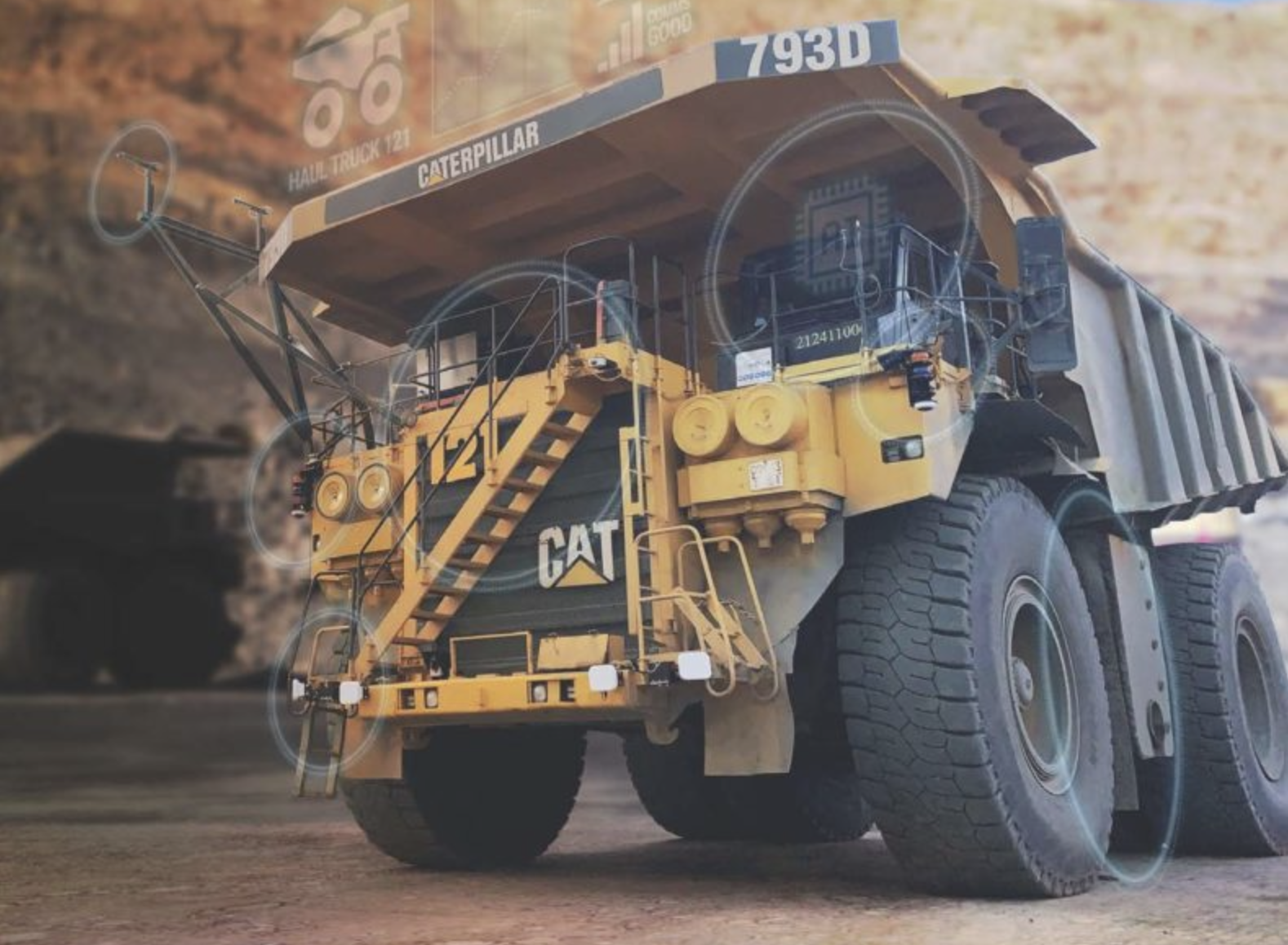
Mendon Utah – ASI Mining and MS4M, a provider of real-time mine management and optimization solutions, have entered into an agreement to ensure compatibility between ASI Mining’s Mobius® Platform and MS4M’s ControlSense® fleet management system (FMS) software for autonomous vehicles. ASI Mining’s Traffic Management System (TMS) is designed to work with a variety of FMS […]

Schedule a demo to see our autonomous solutions in action
Steadfast automation, where and when you need it, is the cornerstone of what ASI provides. From law enforcement to industrial solutions, robotics cannot be a force multiplier without this level of command and control.

Brian Higgins
Group 77


