

[row]
[col]
In November 2013, ASI’s President and CEO spoke in Saint Paul, MN, at Robotics Alley, an emerging initiative focused on creating a network of robotics business and research professionals. Mel’s session gave attendees a quick look at strategies leading ASI to 13 years of success in a complex vehicle robotics industry. Below are some of the key points Mel shared in his presentation.
Need for Agility
In today’s face-paced engineering environments, agility is simply the nature of doing business.
[/col]
[col]
Customers are used to getting highly customized products with short lead times as well as providing input to the design process. Development companies must be agile to survive.
In early 2013, ASI implemented the AGILE framework for hardware and software development. AGILE breaks projects into shorter increments called sprints. At the close of each sprint, design teams demo progress to customers or management. The AGILE system helps ASI remain flexible to customer feedback and provides shorter milestones with which to track progress.
[/col]
[col]
Dealing with System Complexity
Robotics is thought to be the next trillion dollar industry. However, today it is still very much an emerging field. Systems can be incredibly complex. If something goes wrong, technicians often have difficulty telling what happened, what component caused the issue, and why.
ASI uses a variety of methods to simplify robotic systems and diagnose any issues that come up.
[/col]
[col]
ASI’s automation kit is modular to provide flexibility and easier installation. Technicians can use onsite and remote system diagnostics and stored error logs to quickly locate the source of most issues. ASI is currently working toward new interfaces and software architectures that will simplify and improve the user experience.
Follow Them Home
When it comes to testing, there’s no substitution for getting out of your house and into the field to see your products being used by customers in an actual work environment.
[/col]
[/row]
[row]
[more]
[col]
It sounds like common sense, but it’s surprising how many organizations don’t take the time to watch their end users. Customers often speak in generalities when talking about how they use products, leaving out critical steps and workarounds they also use on a daily basis. You won’t find those things unless you’re out in the field watching them use your product.
[/col]
[col]
Solid customer feedback of this sort is the key to having the best product in the market.
Over-Communicate
When it comes to customer communications, almost nothing can sour a relationship faster than being unresponsive.
[/col]
[col]
Establishing a healthy channel of communication between customers and support teams can go a long way to maintain the trust companies have developed over time.
Customer portals, frequent meetings, road map plans with clear milestones, open communication of challenges and delays, and fast support response each provide customers with critical project information and helps cultivate a positive, trusting relationship.
[/col]
[col]
ASI’s thirteen year track record of success is proof that these keys and others shared by Mel at Robotics Alley are foundational to the success of any robotics company.
[/col]
[/more]
[/row]

Screening Within the 10th Annual Churros4Change Features Innova and Beeline Collaboration of Bringing Mobility with Robotic Wheelchairs to Guatemala

October 21-23 Event Features Full Fleet Brand Agnostic Autonomy to Offset Labor Shortages and Optimize Productivity for Future Farming

July 30th Ribbon Cutting a Milestone Moment for Autonomous Solutions, Inc. and Its Ever-growing US Footprint

Powered by 25 Years of Expertise, ASI’s Team Builds a Future Where People and Machines Work Smarter Together
Utah-Based “People-Building Robot Company” Employer’s Honor Comes on the Heels of ASI’s Global Expansion and Hiring for UT and TX Locations
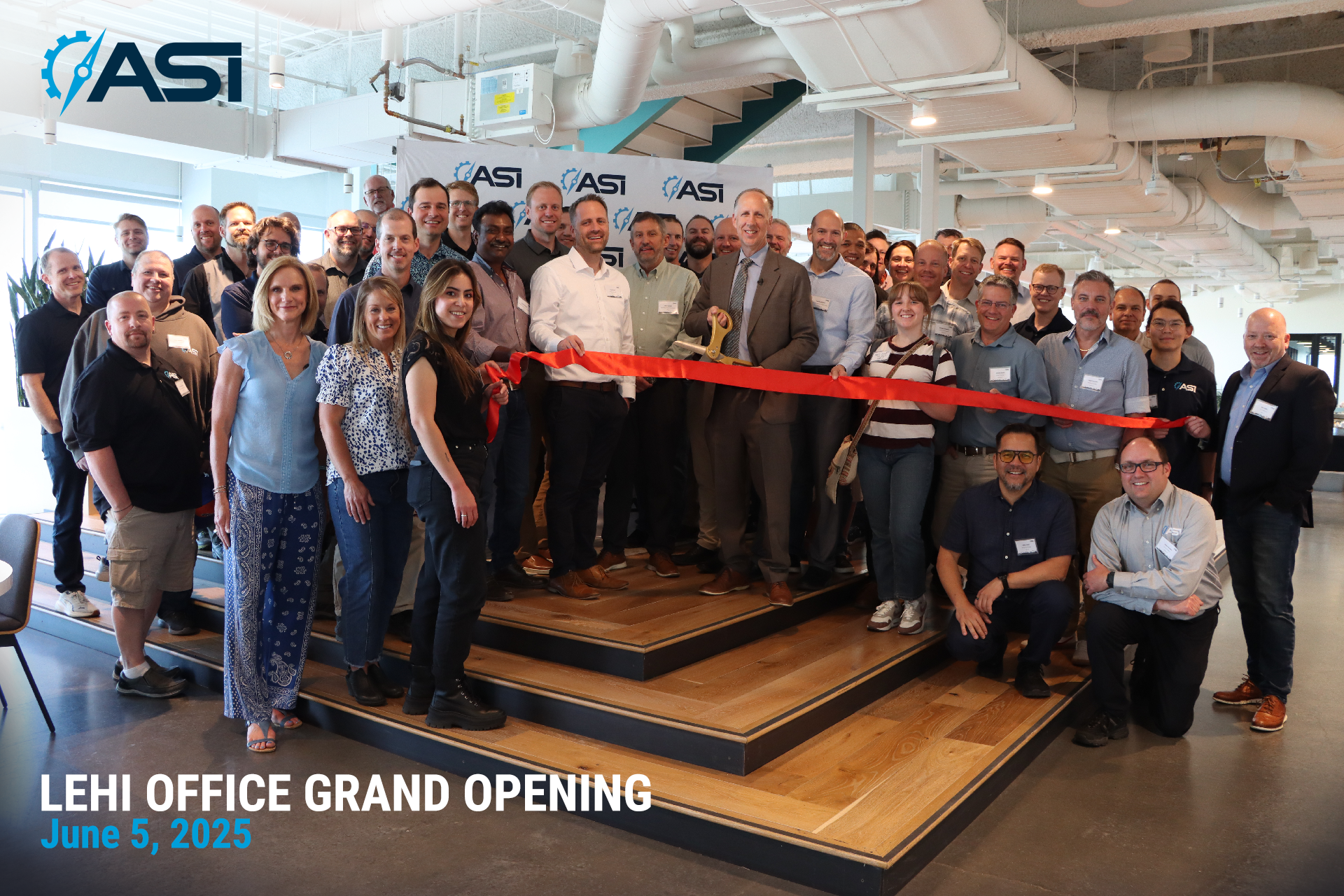
June 5th Ribbon Cutting Exemplifies the Rapid Technology Expansion of Autonomous Solutions, Inc. Within US

ASI expands its Utah presence, leasing WeWork’s largest space at Innovation Pointe

ASI Heavy Construction Will Operate a Fleet of Autonomous Vehicles Using Mobius™ for US-Based Project

Autonomous Solutions, Inc. (ASI) announced that it is shifting its Automotive team from OEM proving ground automation to support its agriculture, construction, landscaping, and logistics sectors. This transition follows the divestiture of ASI Mining, with the capital from the sale enabling a significant expansion in customer deployments. The Automotive team’s expertise in simulation, test automation, […]

Mendon, Utah: Autonomous Solutions, Inc. (“ASI”), a pioneer in the automation of industrial vehicle systems, is pleased to announce the sale of business unit, ASI Mining to Epiroc, a world leader in mining equipment and solutions. Epiroc acquired a 34% stake in ASI Mining in 2018 and will now take full ownership of the company. […]

Along side a world-leading OEM. ASI has developed autonomous technology capable of choreographed testing of ADAS/AV systems. We call this technology SWARMING. Based on studies such as those done by NHTSA, OEMs are finding that using simulation to test, validate, and verify ADAS/AV systems simply isn’t enough. There is a large frequently unaddressed gap in ensuring these vehicles are […]

Autonomous yard shifting uses trucks from different OEMs to perform daily tasks and routines without the need for a driver in the cab. As a result, it offers the ability to oversee and control operations of multiple trucks from a control room onsite, or thousands of miles away. The industry’s most capable and proven command […]

New architecture to increase situational awareness and safety in GPS-compromised environments. [Mendon, UT] Autonomous Solutions, Inc. (ASI) has been awarded a Phase Two grant from the U.S. Army Combat Capabilities Development Command Ground Vehicles Systems Center (formerly TARDEC). Based on the progress achieved during Phase One, ASI was chosen to continue development of a Deep […]
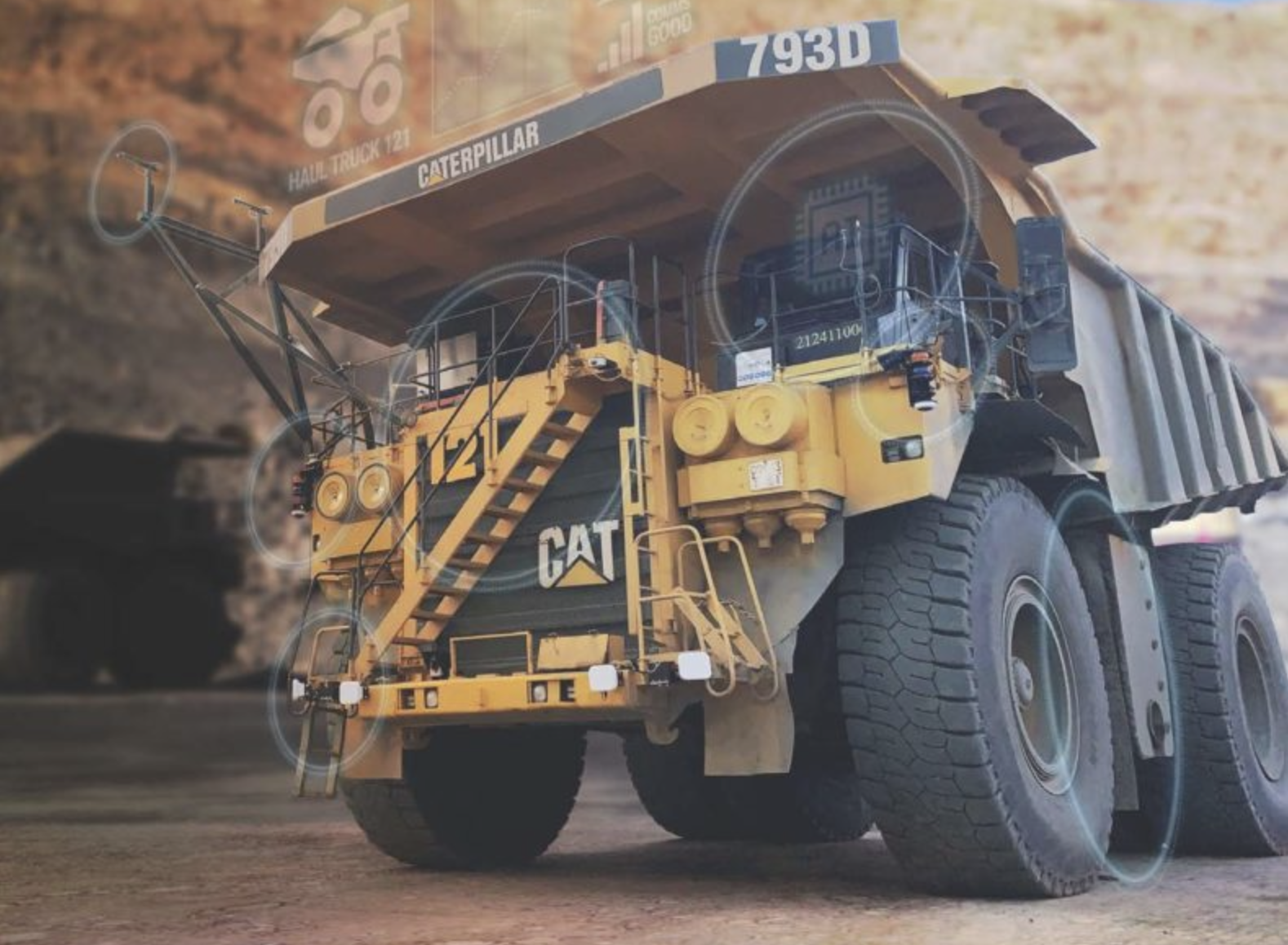

Video of the unmanned yard truck solution: https://youtu.be/vZzrJJknpOU Mendon, Utah; Mountain View, California; and Benschop, Netherlands – A new fully unmanned yard truck solution combines the expertise of four companies: Autonomous Solutions, Inc. (ASI), a world leader in vehicle automation; Phantom Auto, the leading provider of remote communication software for unmanned vehicles; FANUC America Corporation, the […]

Schedule a demo to see our autonomous solutions in action
Steadfast automation, where and when you need it, is the cornerstone of what ASI provides. From law enforcement to industrial solutions, robotics cannot be a force multiplier without this level of command and control.

Brian Higgins
Group 77


