

[row]
[col]
“A rollercoaster ride” might be the only way to describe 2015 in the mining industry—minus the fun and thrill. Fueled by an economic slowdown in China and a collapse in commodity prices, mining companies globally have been feeling the pain and are turning to drastic measures as they try to cope.
In what reports say is China’s largest layoff in recent history, the Heilongjiang Longmay Mining Holding Group Co.
announced
in late September that it would lay off approximately 40% of its workforce, a staggering 100,000 workers, in order to “stop the bleeding.” Anglo American
announced
in early December it would release 85,000 workers over the next few years in a restructure that would shed 60% of assets.
[/col]
[col]

Commodities price graphs were pulled from NASDAQ on Dec 12th, 2015. Y axis is adjusted to each commodity’s price; They are not relative to each other.
[/col]
[col]
With most miners reeling in a similar manner it might come as a surprise that one research group recommends mining companies begin now to invest in future growth. “The switch to growth is looming and assets are now still relatively cheap and ripe for opportunistic acquisition,” states
EY’s Business Risks Facing Mining and Metals 2015-2016 report
.
“Given the long lead time to develop new supply, decisions to invest for future growth have to be made now or long-term returns will be lowered.”
[/col]
[col]
“It is the paradox that long-term reinvestment and growth is essential for the sustainability of the sector and yet public capital markets are still demanding the opposite,” the report continued. “Switch to Growth” made the No. 1 spot in EY’s 2015-2016 risk rankings.
Drastic short-term measures, such as cost cutting and layoffs, can only do so much before long-term solutions must be addressed. “Having reached a ceiling on cost reduction, mining companies have since made substantial progress with their productivity initiatives and working capital solutions,” EY’s report reads. “We believe that real productivity gains will only come from an end-to-end transformation.” EY places “Productivity Improvement” in the No. 2 spot of their 2015-2016 risk rankings.
[/col]
[/row]
[row]
[more]
[col size=”double”]
Among recommendations to miners on how to improve productivity, EY states that companies open to investment in innovation are faring the best. Mining technologies, such as vehicle automation, are gaining traction for their ability to make minerals more accessible in remote locations, increase efficiency of mining fleets, and improve long-term productivity. Numbers from Rio Tinto’s unmanned Pilbara operations that hit the wires in October 2015 demonstrate just how powerful vehicle automation can be. “The trucks can run 24 hours a day, 365 days a year… which has industry insiders estimating each [unmanned] truck can save around 500 work hours a year,”
reported Australia ABC News’ Kathryn Diss
.
[/col]
[col size=”double”]
If miners can survive several painful years, EY reports that it has seen indications that demand will rebuild for commodities in the near future: “The seeds of recovery have been planted in the past few years… As a result, we are now seeing early constraints on supply in a number of commodities, and the inevitable upturn in the cycle is expected in the next few years.”
The prognosis seems positive for mining operations that stay agile and remain open to innovations that will contribute to long term productivity.
[calltoaction title=”Learn More About Robotic Mining” link=”http://www.asirobots.com/mining/” tracking=”Mining Page” ]
[/col]
[/more]
[/row]
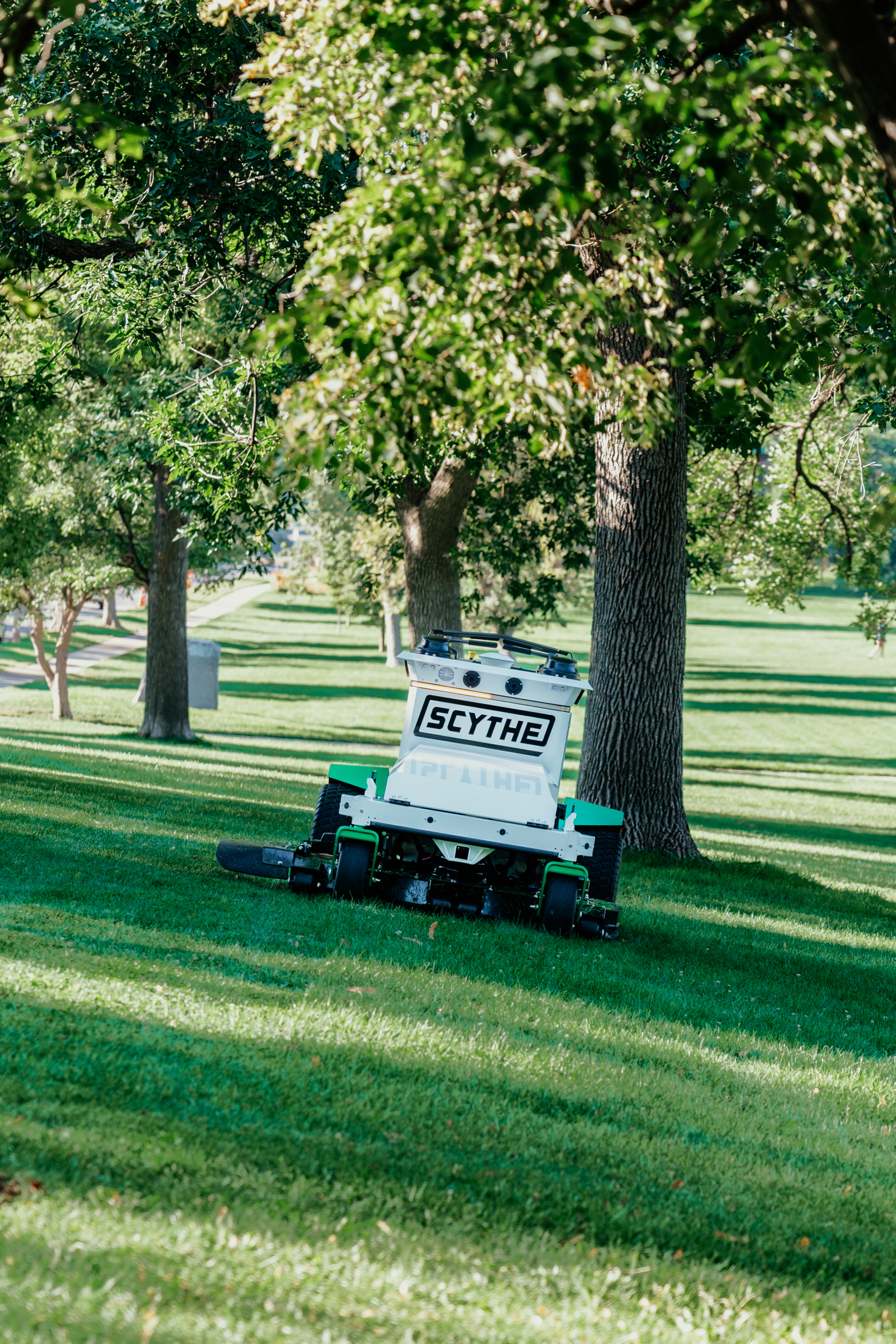
Deal brings Scythe Sight® AI vision and M.52 into ASI’s Mobius®-powered portfolio, accelerating sustainable outdoor care Mendon, UT – March 11, 2026: Autonomous Solutions, Inc. (ASI), the worldwide leader of industrial vehicle automation and developer of the Mobius autonomous fleet management system, announces the acquisition of Scythe Robotics, the Colorado-based developer of advanced, commercial-grade autonomous […]

Screening Within the 10th Annual Churros4Change Features Innova and Beeline Collaboration of Bringing Mobility with Robotic Wheelchairs to Guatemala

October 21-23 Event Features Full Fleet Brand Agnostic Autonomy to Offset Labor Shortages and Optimize Productivity for Future Farming

July 30th Ribbon Cutting a Milestone Moment for Autonomous Solutions, Inc. and Its Ever-growing US Footprint

Powered by 25 Years of Expertise, ASI’s Team Builds a Future Where People and Machines Work Smarter Together

Utah-Based “People-Building Robot Company” Employer’s Honor Comes on the Heels of ASI’s Global Expansion and Hiring for UT and TX Locations
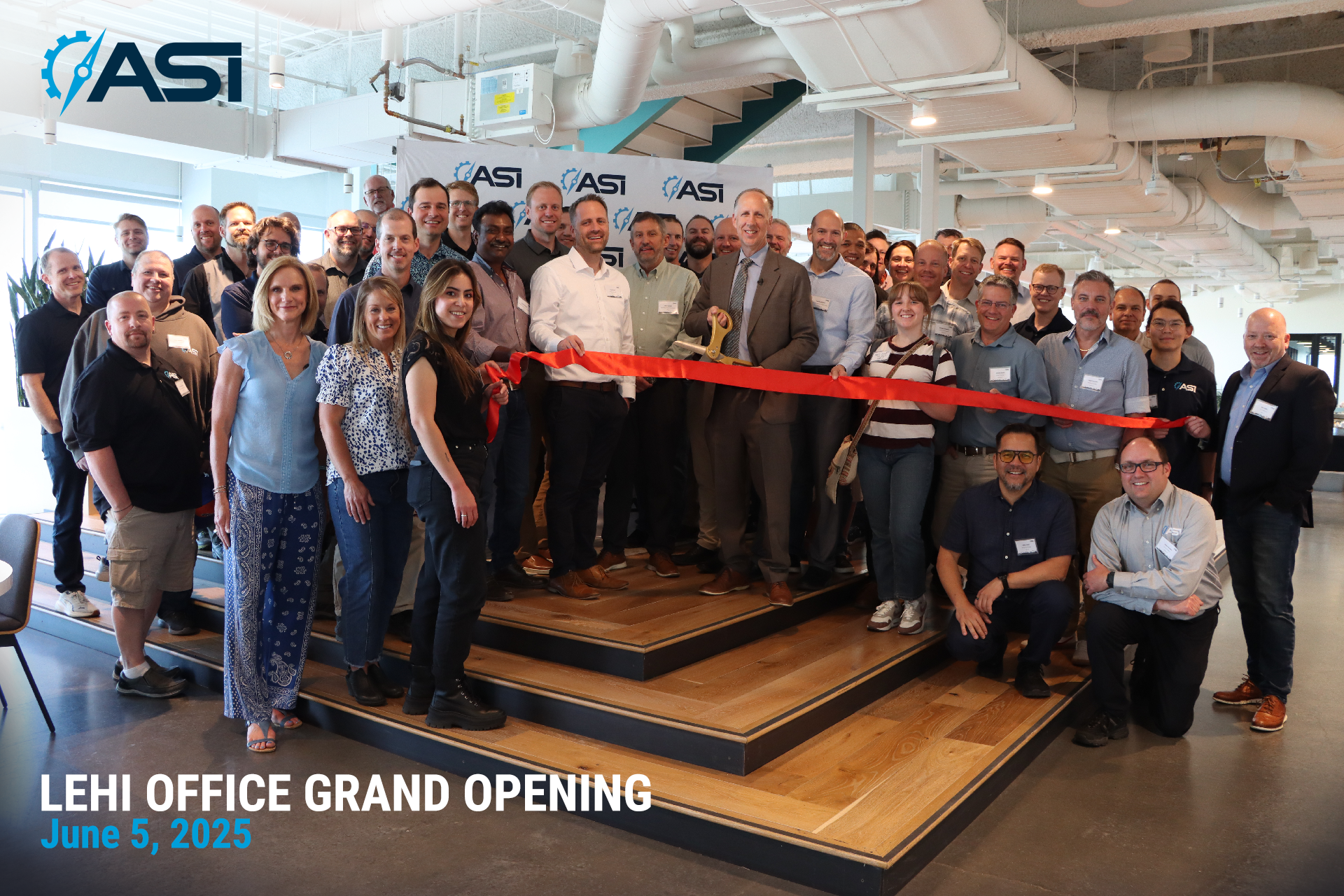
June 5th Ribbon Cutting Exemplifies the Rapid Technology Expansion of Autonomous Solutions, Inc. Within US

ASI expands its Utah presence, leasing WeWork’s largest space at Innovation Pointe
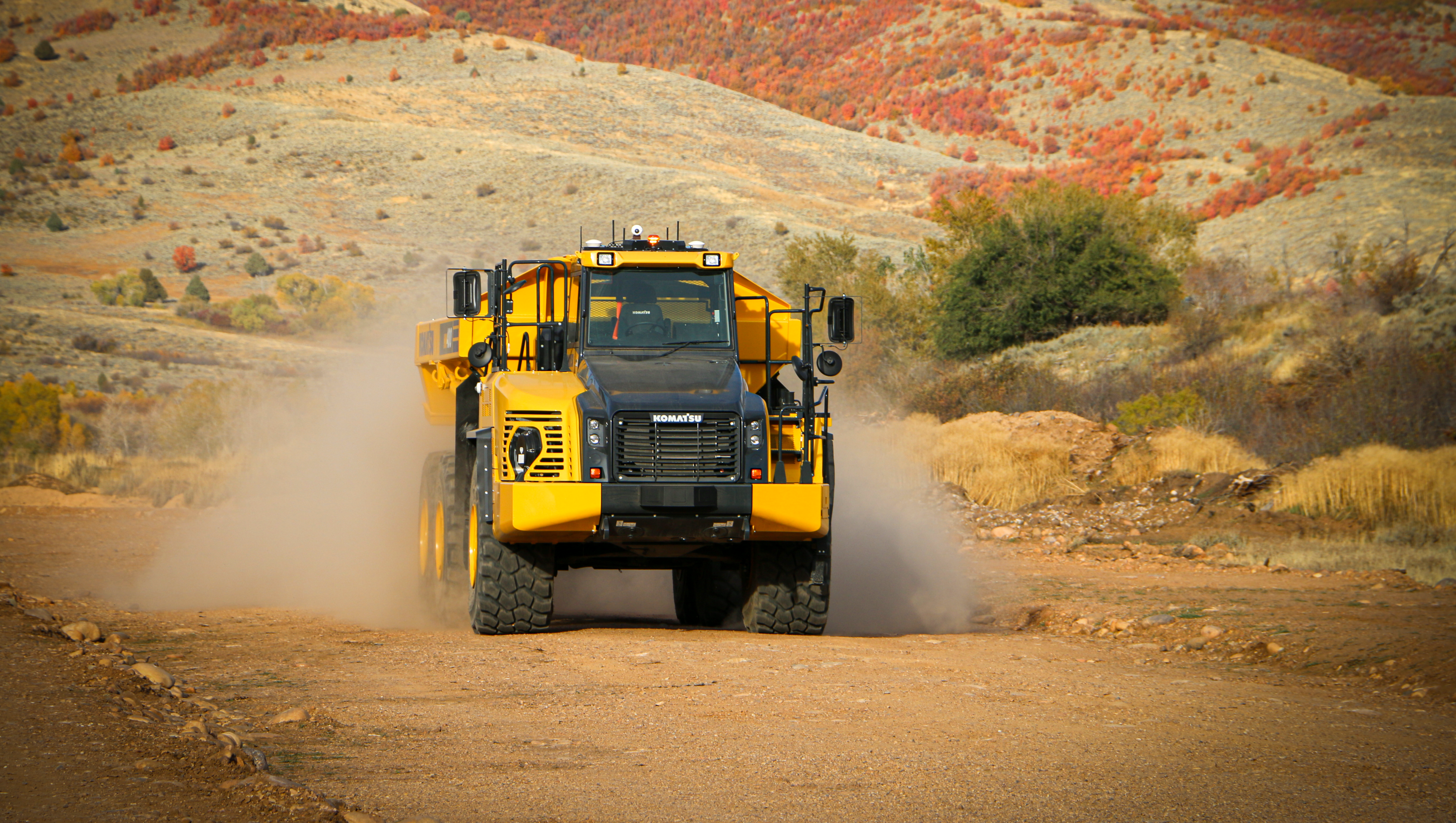
ASI Heavy Construction Will Operate a Fleet of Autonomous Vehicles Using Mobius™ for US-Based Project

Autonomous Solutions, Inc. (ASI) announced that it is shifting its Automotive team from OEM proving ground automation to support its agriculture, construction, landscaping, and logistics sectors. This transition follows the divestiture of ASI Mining, with the capital from the sale enabling a significant expansion in customer deployments. The Automotive team’s expertise in simulation, test automation, […]

Mendon, Utah: Autonomous Solutions, Inc. (“ASI”), a pioneer in the automation of industrial vehicle systems, is pleased to announce the sale of business unit, ASI Mining to Epiroc, a world leader in mining equipment and solutions. Epiroc acquired a 34% stake in ASI Mining in 2018 and will now take full ownership of the company. […]

Along side a world-leading OEM. ASI has developed autonomous technology capable of choreographed testing of ADAS/AV systems. We call this technology SWARMING. Based on studies such as those done by NHTSA, OEMs are finding that using simulation to test, validate, and verify ADAS/AV systems simply isn’t enough. There is a large frequently unaddressed gap in ensuring these vehicles are […]

Autonomous yard shifting uses trucks from different OEMs to perform daily tasks and routines without the need for a driver in the cab. As a result, it offers the ability to oversee and control operations of multiple trucks from a control room onsite, or thousands of miles away. The industry’s most capable and proven command […]

New architecture to increase situational awareness and safety in GPS-compromised environments. [Mendon, UT] Autonomous Solutions, Inc. (ASI) has been awarded a Phase Two grant from the U.S. Army Combat Capabilities Development Command Ground Vehicles Systems Center (formerly TARDEC). Based on the progress achieved during Phase One, ASI was chosen to continue development of a Deep […]
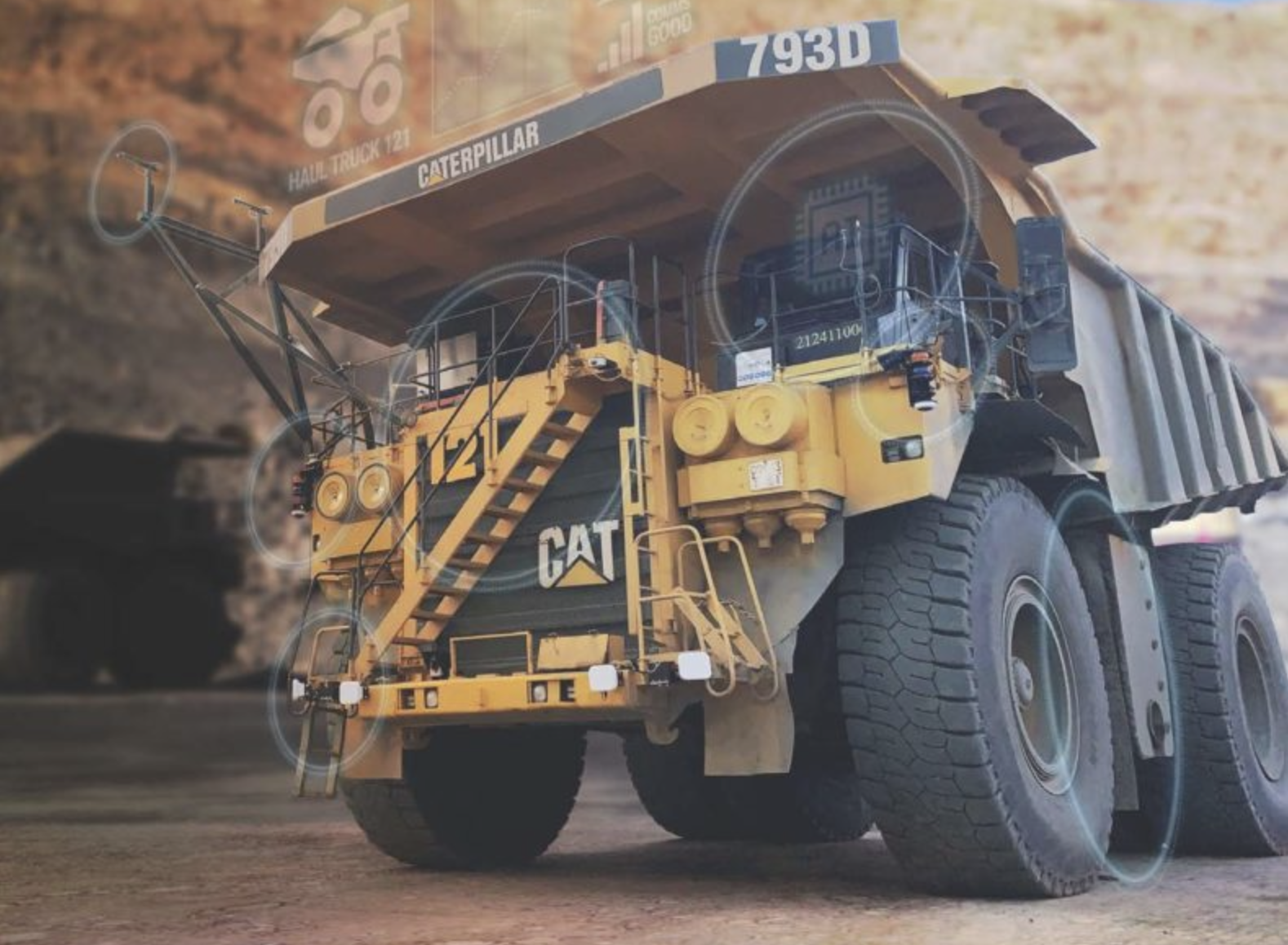
Mendon Utah – ASI Mining and MS4M, a provider of real-time mine management and optimization solutions, have entered into an agreement to ensure compatibility between ASI Mining’s Mobius® Platform and MS4M’s ControlSense® fleet management system (FMS) software for autonomous vehicles. ASI Mining’s Traffic Management System (TMS) is designed to work with a variety of FMS […]

Schedule a demo to see our autonomous solutions in action
Steadfast automation, where and when you need it, is the cornerstone of what ASI provides. From law enforcement to industrial solutions, robotics cannot be a force multiplier without this level of command and control.

Brian Higgins
Group 77


