

[row]
[col size=”double”]
 Canada is one of the only countries in the world that commercially mines oil sands, and is also one of the areas that could benefit from mining vehicle automation.
[/col]
[col]
Canada boasts some of the largest oil sands deposits in the world. “Oil sands” refers to sand or clay that is heavily saturated with a viscous type of petroleum called bitumen. Near-surface deposits are extracted using traditional mining methods and hauled to cleaning facilities where the bitumen is removed from other sediments. Separated bitumen is piped downstream for upgrading and refinement into petroleum products.
With nearly 55% of Canadian crude production coming from oil sands, advances in extraction and refinement technologies, and lower commodity prices, oil sands are gaining more attention as a global petroleum resource. They also represent one of the major areas that autonomous vehicle technologies can be used to assist the oil and gas industry.
[/col]
[col]
ASI’s CEO, Mel Torrie, who was recently quoted in Mining Equipment Technology’s article “Mine of the Future?,” said autonomous mining equipment can reduce wear and tear on vehicles as they operate within the OEM recommended spec, reducing unscheduled maintenance and replacement of expensive parts, particularly tires.
Interested in learning more about autonomous haulage for oil sands? Access our Vehicle A.I. flyer.
“Tests have shown tires last three times longer with autonomous vehicles than with ones operated by drivers,” says Torrie.
[/col]
[/row]
[row]
[more]
[col]
The article highlighted benefits and also some obstacles that autonomous vehicles may encounter in the Canadian oil sands industry. We caught up with Mitch Torrie, ASI’s Director of Vehicle Automation, to provide some technical clarification and to fill out the story on some of the concerns that the article raised.
Automation is not ready for commercial use because it cannot be fully integrated into a mine.
Mitch: We use portable locators on all of our manned vehicles. Portable locators are GPS-based devices that allow our software system and any autonomous mining vehicles in the area to see manned vehicles and include them in proximity monitoring algorithms. This safety method allows us to track all vehicles on a site, not just robotic mining vehicles.
As a second layer of safety, we install obstacle detection sensors on all autonomous vehicles to allow them to detect any potential obstacles that the software system may not be able to track. Between the first and second method, autonomous vehicles can be safely and effectively integrated into mines.
[/col]
[col]
Highly paid drivers are replaced by highly paid control room workers, mitigating any labor savings.
Mitch: Our software has developed to the point that the role of the mine worker is becoming more supervisory. Rather than being focused on only one vehicle, the potential is there for one operator to manage many mining vehicles at the same time, intervening only when there is an issue like an obstacle detection alert. So rather than a one-to-one relationship, we’re seeing more of a one-to-many relationship where companies can benefit from economies of scale.
Human drivers are able to detect problems that vehicle robotics cannot.
Mitch: Automation systems are able to monitor vehicle health better than human drivers are able to. The autonomous system can drive within the OEM spec all the time which largely reduces vehicle abuse and unplanned maintenance to begin with.
[/col]
[col]
In addition, available sensors can detect almost anything that a human can sense in a vehicle, with the possible exception of smell. But even with smell, we can still detect the same issue in other ways. For example, if the vehicle blows a hydraulic hose, it’s going to send hydraulic fluid onto the engine and you’re definitely going to smell it. However, the automation system can still detect a decrease in hydraulic pressure or reduced fluid levels and notify the remote operator of a possible blown hose. We can detect those things exactly, every time they happen where a human may still miss it. Overall, automation is more reliable.
Autonomous vehicles struggle in inclement weather. Canadian oil sands routes are often marred by bad weather which may halt an entire autonomous fleet where work would continue if the vehicles were manned.
Mitch: The two challenges you get with weather are 1) road conditions and 2) being able to see obstacles.
[/col]
[col]
Extensive work has gone into solidifying traction control. Autonomous systems can detect conditions, characterize what’s going on, and change behavior based on road conditions. This happens fast; the change happens in milliseconds versus a human that takes much longer to process slippage and to adjust without even considering the possibility of overcorrection.
In terms of obstacle detection, a lot of work has gone into technologies that permeate weather conditions. Lasers obviously have the most difficulty. We’re seeing better results in detecting false positives, like lasers reflecting off of rain or snow, and still being able to identify actual obstacles. Additionally, we’ll often fuse several types of sensors to improve safety. For example, lasers do great at night and are very precise, but struggle in weather; radar is not particularly precise (we call it a blob sensor), but can easily see through bad weather. Pairing up these two sensors provides a safe operating environment for robotic vehicles in weather.
[/col]
[/more]
[/row]
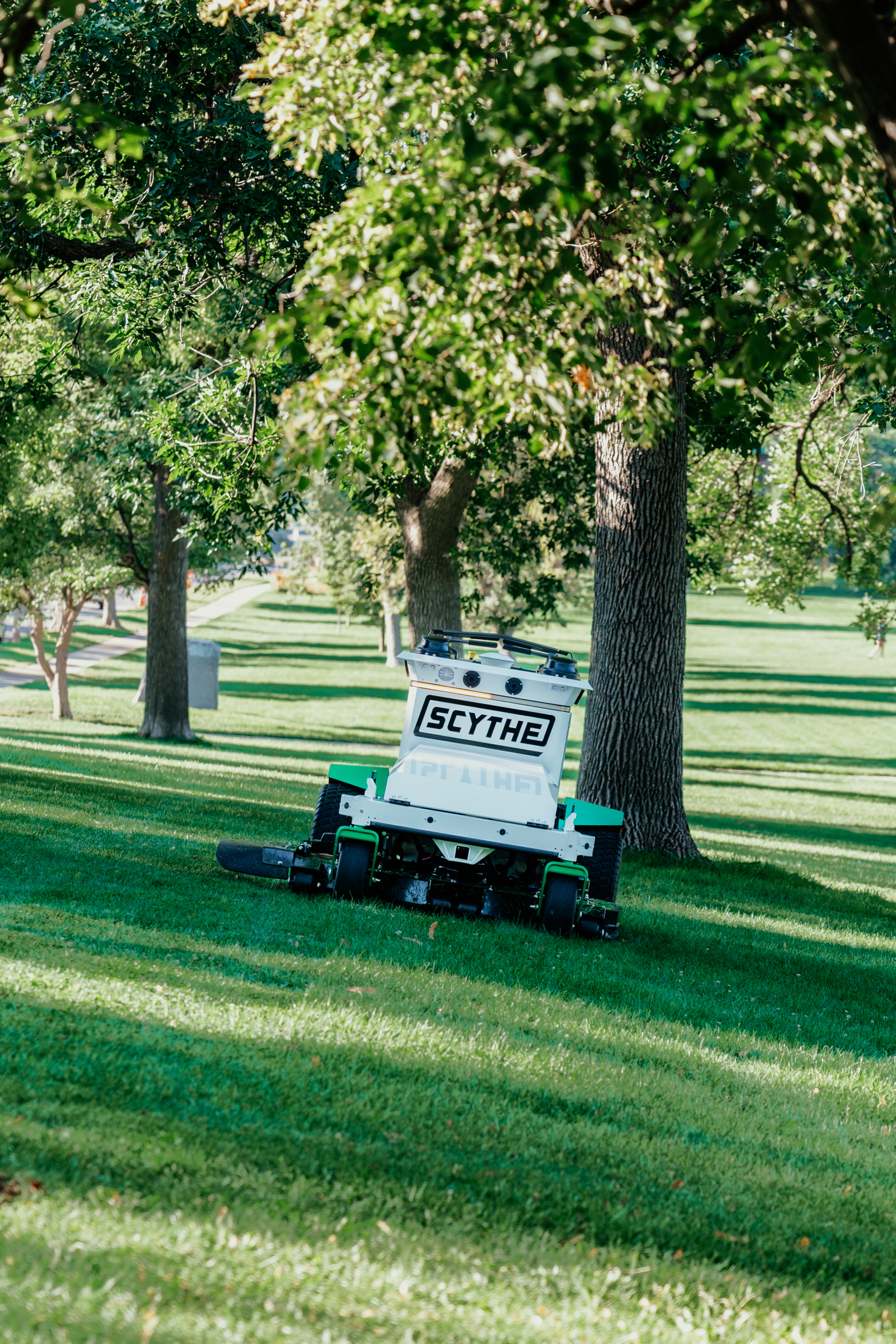
Deal brings Scythe Sight® AI vision and M.52 into ASI’s Mobius®-powered portfolio, accelerating sustainable outdoor care Mendon, UT – March 11, 2026: Autonomous Solutions, Inc. (ASI), the worldwide leader of industrial vehicle automation and developer of the Mobius autonomous fleet management system, announces the acquisition of Scythe Robotics, the Colorado-based developer of advanced, commercial-grade autonomous […]

Screening Within the 10th Annual Churros4Change Features Innova and Beeline Collaboration of Bringing Mobility with Robotic Wheelchairs to Guatemala

October 21-23 Event Features Full Fleet Brand Agnostic Autonomy to Offset Labor Shortages and Optimize Productivity for Future Farming

July 30th Ribbon Cutting a Milestone Moment for Autonomous Solutions, Inc. and Its Ever-growing US Footprint

Powered by 25 Years of Expertise, ASI’s Team Builds a Future Where People and Machines Work Smarter Together

Utah-Based “People-Building Robot Company” Employer’s Honor Comes on the Heels of ASI’s Global Expansion and Hiring for UT and TX Locations
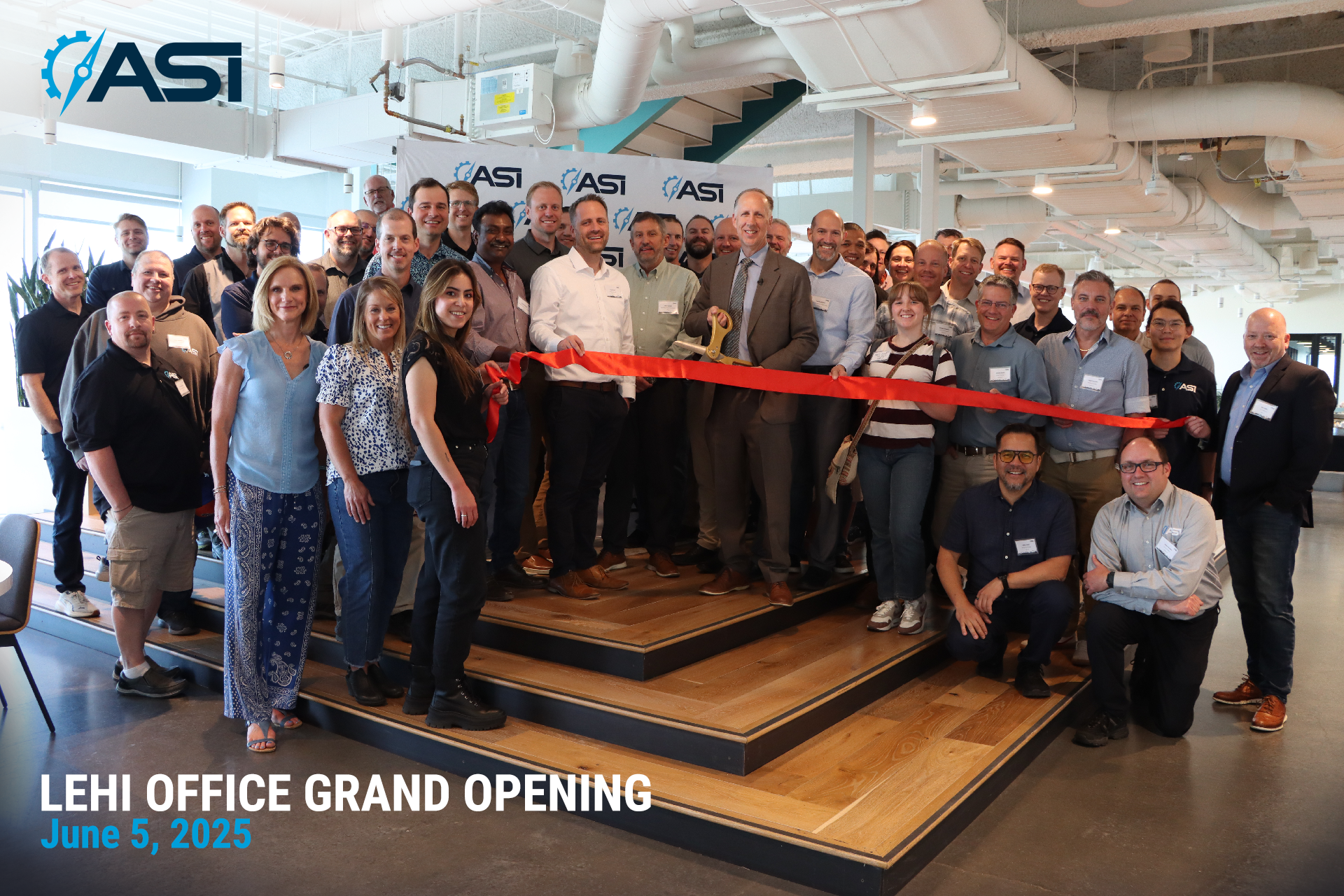
June 5th Ribbon Cutting Exemplifies the Rapid Technology Expansion of Autonomous Solutions, Inc. Within US

ASI expands its Utah presence, leasing WeWork’s largest space at Innovation Pointe
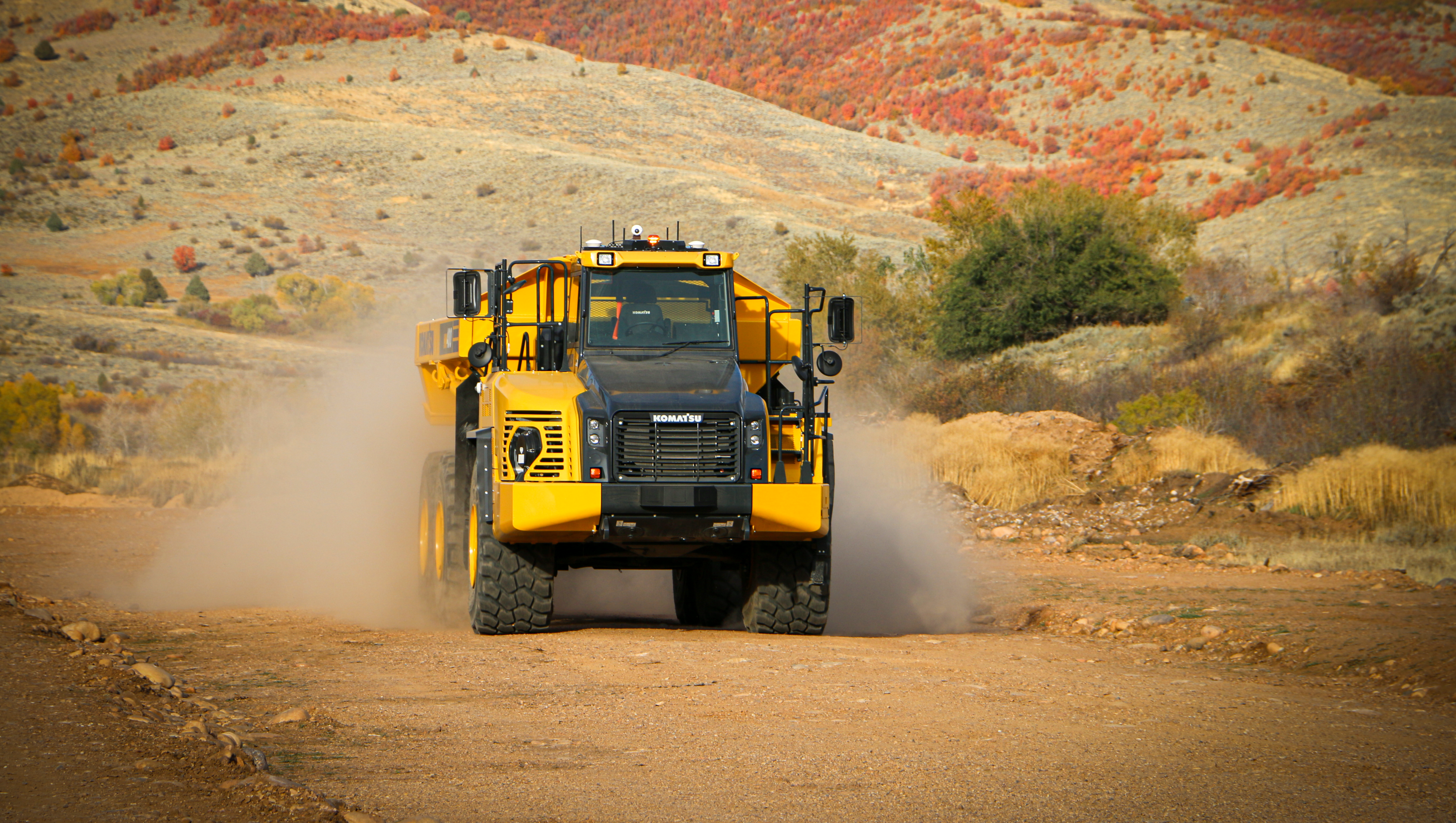
ASI Heavy Construction Will Operate a Fleet of Autonomous Vehicles Using Mobius™ for US-Based Project

Autonomous Solutions, Inc. (ASI) announced that it is shifting its Automotive team from OEM proving ground automation to support its agriculture, construction, landscaping, and logistics sectors. This transition follows the divestiture of ASI Mining, with the capital from the sale enabling a significant expansion in customer deployments. The Automotive team’s expertise in simulation, test automation, […]

Mendon, Utah: Autonomous Solutions, Inc. (“ASI”), a pioneer in the automation of industrial vehicle systems, is pleased to announce the sale of business unit, ASI Mining to Epiroc, a world leader in mining equipment and solutions. Epiroc acquired a 34% stake in ASI Mining in 2018 and will now take full ownership of the company. […]

Along side a world-leading OEM. ASI has developed autonomous technology capable of choreographed testing of ADAS/AV systems. We call this technology SWARMING. Based on studies such as those done by NHTSA, OEMs are finding that using simulation to test, validate, and verify ADAS/AV systems simply isn’t enough. There is a large frequently unaddressed gap in ensuring these vehicles are […]

Autonomous yard shifting uses trucks from different OEMs to perform daily tasks and routines without the need for a driver in the cab. As a result, it offers the ability to oversee and control operations of multiple trucks from a control room onsite, or thousands of miles away. The industry’s most capable and proven command […]

New architecture to increase situational awareness and safety in GPS-compromised environments. [Mendon, UT] Autonomous Solutions, Inc. (ASI) has been awarded a Phase Two grant from the U.S. Army Combat Capabilities Development Command Ground Vehicles Systems Center (formerly TARDEC). Based on the progress achieved during Phase One, ASI was chosen to continue development of a Deep […]
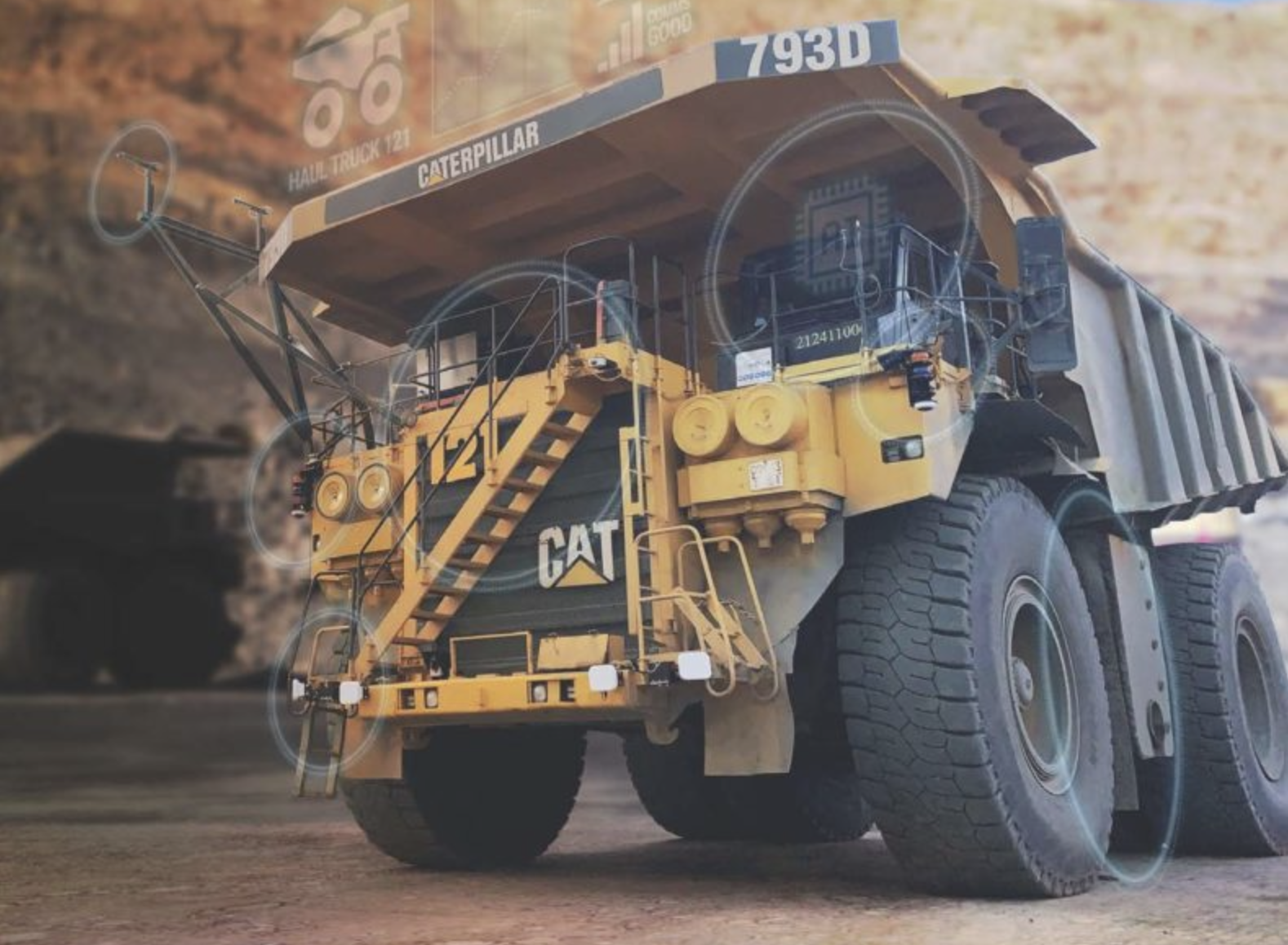

Schedule a demo to see our autonomous solutions in action
Steadfast automation, where and when you need it, is the cornerstone of what ASI provides. From law enforcement to industrial solutions, robotics cannot be a force multiplier without this level of command and control.

Brian Higgins
Group 77


