

[row]
[col size=”double”]
 “If mining companies hope to emerge from the downward cycle in a stronger position from which they entered it, they need to… adopt innovative technologies used in other industries in a measured and risk-intelligent way…” Glenn Ives, American Mining Leader, Deloitte Canada.
[/col]
[col]
In one of the world’s most challenged industries, the outlook remains uncertain for mining in 2015 as it faces increasingly strict government regulations, financial turmoil, and reduced access to resources. However, in their Tracking the Trends 2015 report, Deloitte identifies ten trends that will shape the industry’s challenges and provides insight on how miners can leverage these trends to come out on top. This article will explore the two trends that are directly affected by autonomous mining technologies.
Trend: Back to the Basics – the pursuit of operational excellence
After experiencing years of plenty, the mining industry experienced productivity declines “due to structural labor market forces, elevated input costs, critical shortages in energy and water, declining ore quality, and a legacy of inefficient capital allocation,” explained Deloitte.
[/col]
[col]
Among the suggested solutions, Deloitte identified insourcing vehicle maintenance to reduce expenses lost to outside contractors and suppliers. Eighty percent of Australian mining companies surveyed are looking to bring maintenance in-house.
Access the full Deloitte Tracking the Trends 2015 mining report.
Automation reduces maintenance costs by enabling operators to control vehicles within the OEM recommended spec, something not always possible with human drivers. Eliminating variability that exceeds OEM thresholds can stop maintenance issues before they start.
[/col]
[/row]
[row]
[more]
[col]
In addition, managers can access “real-time information on the state of equipment to improve maintenance schedules and asset performance.” By leveraging the data logs and metrics that already exist in robotic command and control software, miners can identify bottlenecks, monitor vehicle efficiency and health, set and monitor benchmarks, and track project status real-time from a remote location.
Trend: Innovation is the new key to survival
In today’s volatile conditions, mining companies can’t be satisfied with marginal change. “Ore grades continue to decline, costs continue to rise, labor is becoming more militant, labor are more demanding,” states the Deloitte report. “Incremental improvement is no longer an option.”
[/col]
[col]
Traditional approaches simply take too long to make a difference, and mining companies need a dramatic change. And many organizations are looking to innovation to provide major results.
“Companies that have invested in such technologies as remote mining, autonomous equipment and driverless trucks and trains have reduced expenses by orders of magnitude, while simultaneously driving up productivity,” reported Deloitte.
Managing multiple vehicles with one remote operator creates economies of scale where miners can experience dramatic improvements in productivity, safety, and cost reduction.
[/col]
[col]
Keeping with corporate social responsibility, sustainability, and environmental performance, companies using vehicle automation can improve fuel efficiency, idle time, and unscheduled maintenance (such as tires wearing out too quickly), reducing the overall mining carbon footprint. With 30% of mining costs being dumped into energy, the cost savings from fuel efficiency alone are substantial.
“Although miners are working to control expenses,” says Julian Dolby, Consulting Mining Leader for Deloitte Australia, “declining grades will put continual pressure on costs. To regain momentum, and lay a strong foundation for the next mining cycle, companies need to accelerate their efficiency programs, and invest more significantly in innovation.”
[/col]
[col]
As mining companies invest more in and see positive results from autonomous mining vehicles, the future may look just a little less bleak. In fact, automation may just be the catalyst needed to regain lost momentum.
[/col]
[/more]
[/row]
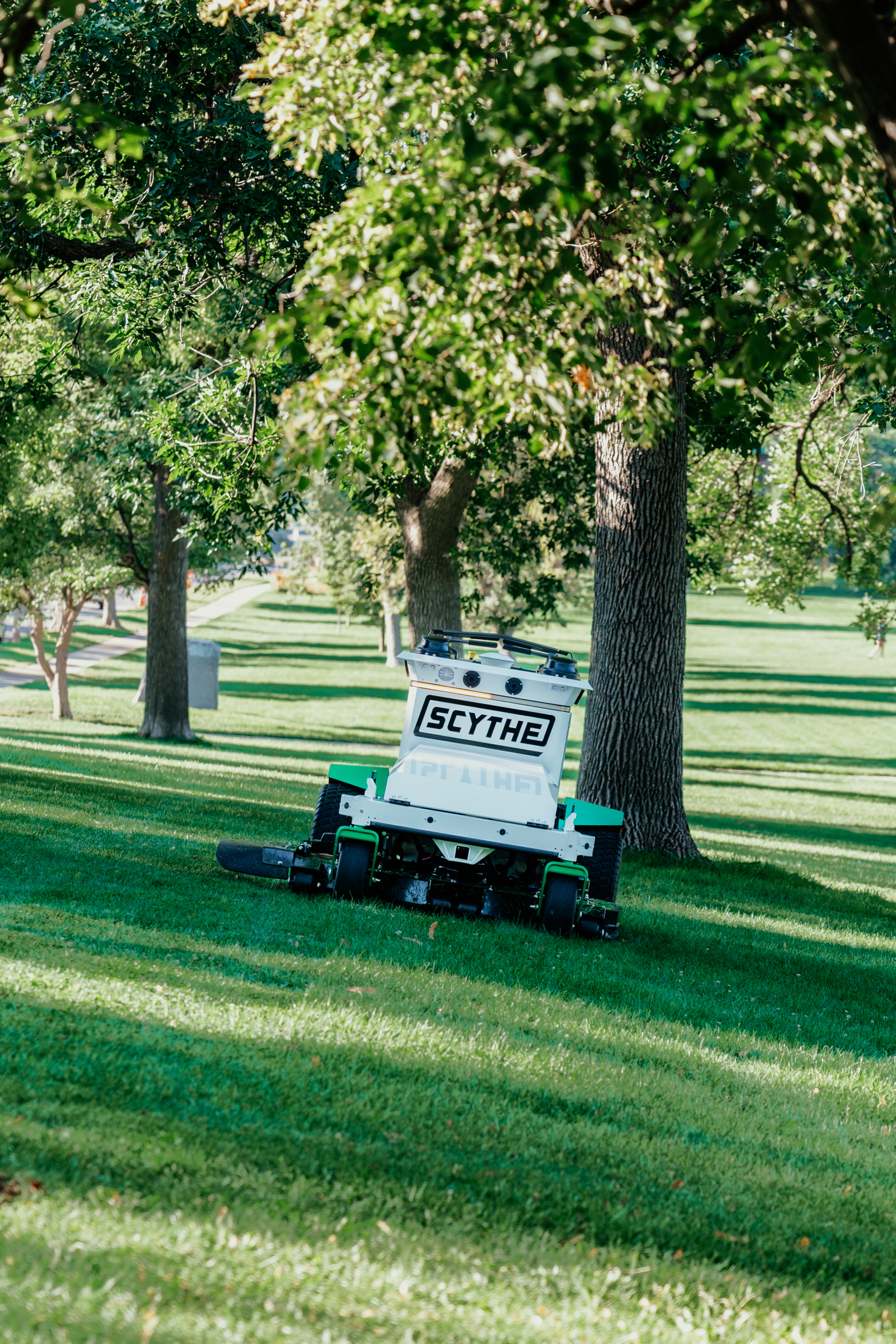
Deal brings Scythe Sight® AI vision and M.52 into ASI’s Mobius®-powered portfolio, accelerating sustainable outdoor care Mendon, UT – March 11, 2026: Autonomous Solutions, Inc. (ASI), the worldwide leader of industrial vehicle automation and developer of the Mobius autonomous fleet management system, announces the acquisition of Scythe Robotics, the Colorado-based developer of advanced, commercial-grade autonomous […]

Screening Within the 10th Annual Churros4Change Features Innova and Beeline Collaboration of Bringing Mobility with Robotic Wheelchairs to Guatemala
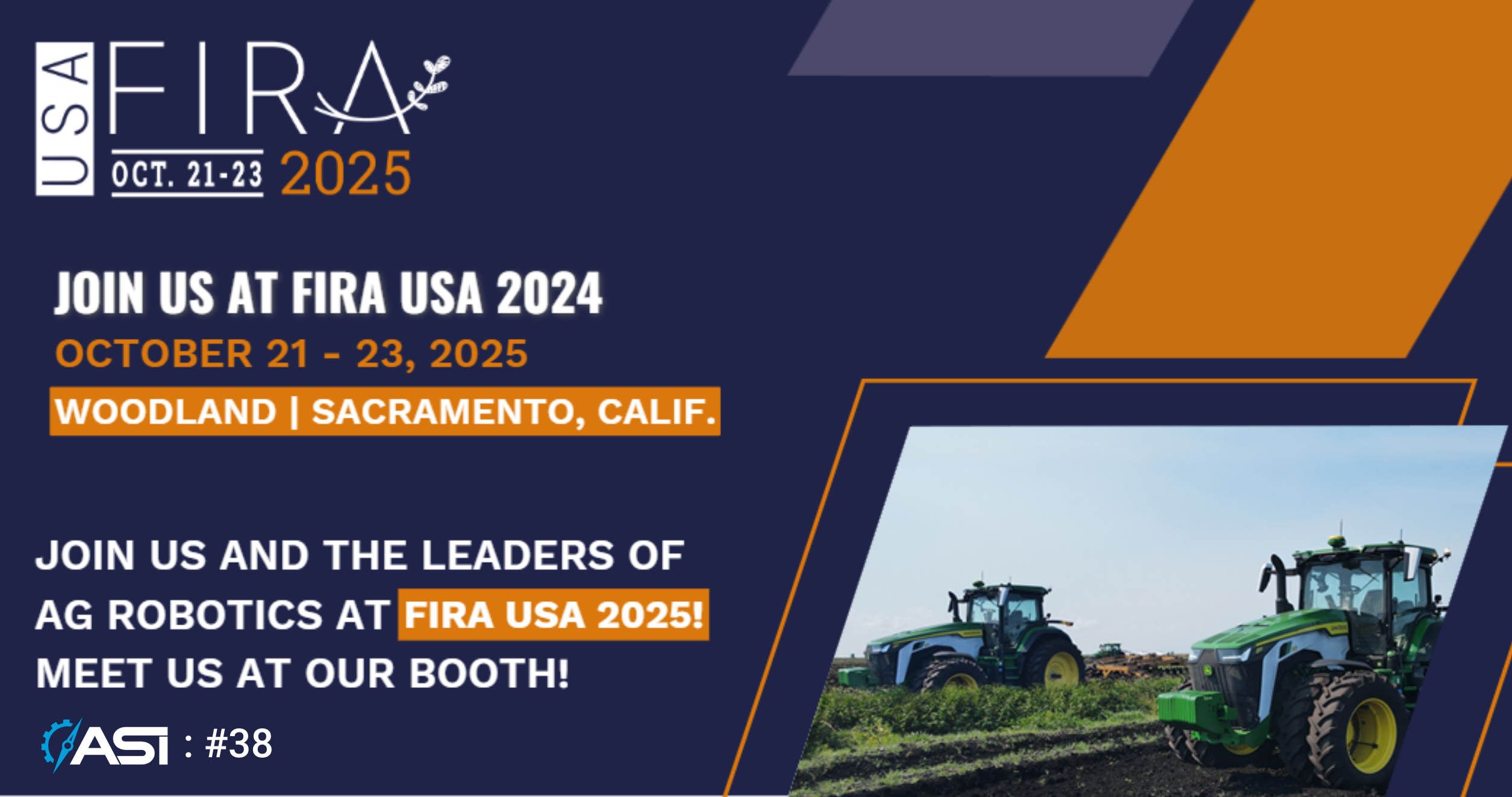
October 21-23 Event Features Full Fleet Brand Agnostic Autonomy to Offset Labor Shortages and Optimize Productivity for Future Farming

July 30th Ribbon Cutting a Milestone Moment for Autonomous Solutions, Inc. and Its Ever-growing US Footprint

Powered by 25 Years of Expertise, ASI’s Team Builds a Future Where People and Machines Work Smarter Together

Utah-Based “People-Building Robot Company” Employer’s Honor Comes on the Heels of ASI’s Global Expansion and Hiring for UT and TX Locations
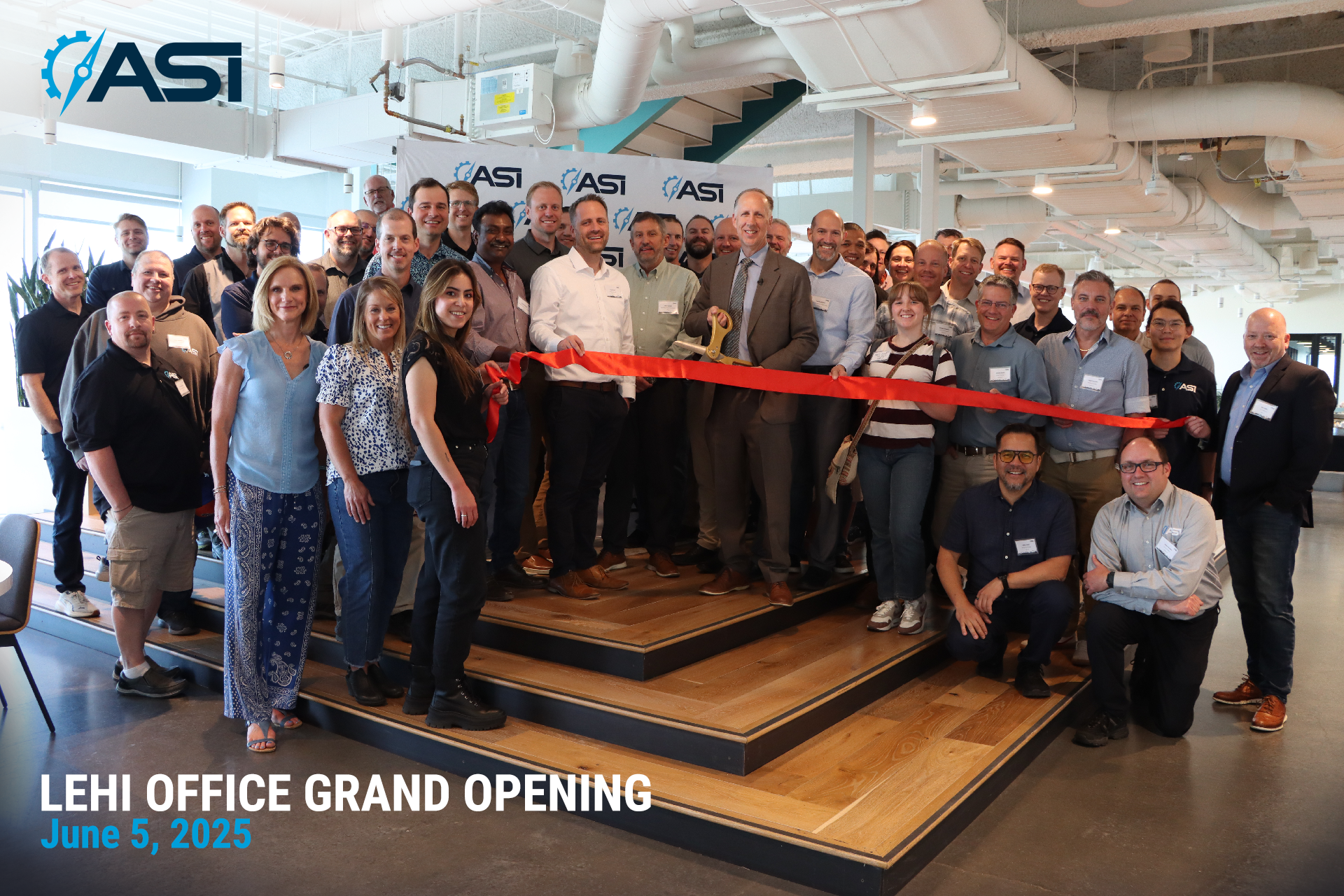
June 5th Ribbon Cutting Exemplifies the Rapid Technology Expansion of Autonomous Solutions, Inc. Within US

ASI expands its Utah presence, leasing WeWork’s largest space at Innovation Pointe
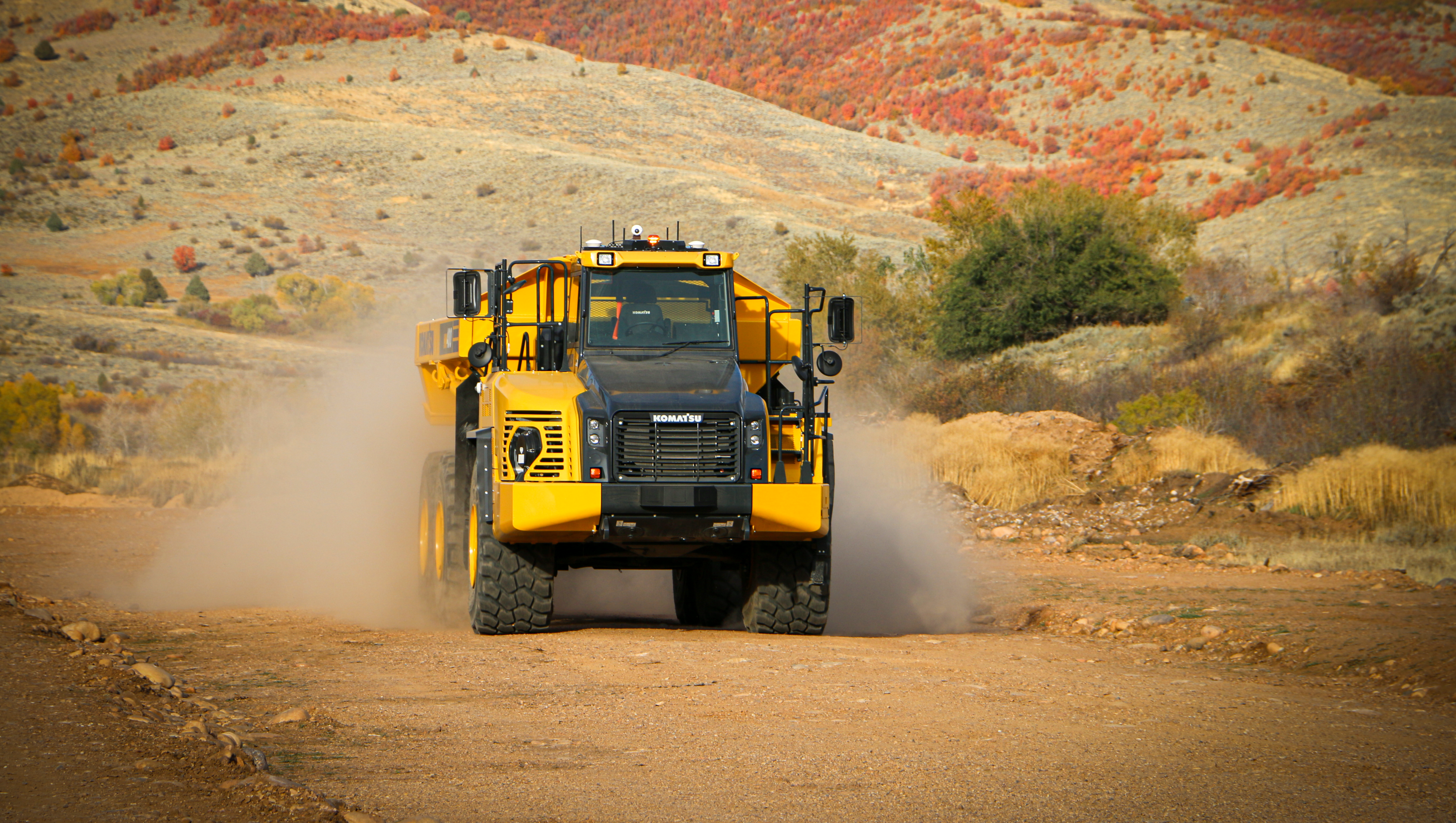
ASI Heavy Construction Will Operate a Fleet of Autonomous Vehicles Using Mobius™ for US-Based Project

Autonomous Solutions, Inc. (ASI) announced that it is shifting its Automotive team from OEM proving ground automation to support its agriculture, construction, landscaping, and logistics sectors. This transition follows the divestiture of ASI Mining, with the capital from the sale enabling a significant expansion in customer deployments. The Automotive team’s expertise in simulation, test automation, […]

Mendon, Utah: Autonomous Solutions, Inc. (“ASI”), a pioneer in the automation of industrial vehicle systems, is pleased to announce the sale of business unit, ASI Mining to Epiroc, a world leader in mining equipment and solutions. Epiroc acquired a 34% stake in ASI Mining in 2018 and will now take full ownership of the company. […]

Along side a world-leading OEM. ASI has developed autonomous technology capable of choreographed testing of ADAS/AV systems. We call this technology SWARMING. Based on studies such as those done by NHTSA, OEMs are finding that using simulation to test, validate, and verify ADAS/AV systems simply isn’t enough. There is a large frequently unaddressed gap in ensuring these vehicles are […]

Autonomous yard shifting uses trucks from different OEMs to perform daily tasks and routines without the need for a driver in the cab. As a result, it offers the ability to oversee and control operations of multiple trucks from a control room onsite, or thousands of miles away. The industry’s most capable and proven command […]

New architecture to increase situational awareness and safety in GPS-compromised environments. [Mendon, UT] Autonomous Solutions, Inc. (ASI) has been awarded a Phase Two grant from the U.S. Army Combat Capabilities Development Command Ground Vehicles Systems Center (formerly TARDEC). Based on the progress achieved during Phase One, ASI was chosen to continue development of a Deep […]
Mendon Utah – ASI Mining and MS4M, a provider of real-time mine management and optimization solutions, have entered into an agreement to ensure compatibility between ASI Mining’s Mobius® Platform and MS4M’s ControlSense® fleet management system (FMS) software for autonomous vehicles. ASI Mining’s Traffic Management System (TMS) is designed to work with a variety of FMS […]

Schedule a demo to see our autonomous solutions in action
Steadfast automation, where and when you need it, is the cornerstone of what ASI provides. From law enforcement to industrial solutions, robotics cannot be a force multiplier without this level of command and control.

Brian Higgins
Group 77


