

[row]
[col]
Cars driving themselves? It seems like something out of a Sci-fi movie like Will Smith’s 2004 hit, I, Robot. The concept might seem futuristic, but the attendees of the AUVSI’s Driverless Car Summit are trying to make it a reality.
In June 2012, more than 200 scientists, lawyers, engineers, policymakers, and corporations met in Detroit, Michigan, to discuss the possibilities of automated consumer vehicles on our highways by 2022. As one of the sponsorship attendees, Autonomous Solutions was able to send a member of our team, Eric Budd, to attend the sessions.
Below are Eric’s five key takeaways from the Driverless Car Summit (DCS) 2012:
[/col]
[col]
Cultural Shift. In his opening address, Governor of Michigan, Hon. Rick Snyder, stated that one major obstacle to be addressed before autonomous consumer vehicles are accepted on public roads is cultural acceptance. The public as a whole still views automated vehicles either as a technology of the future or that isn’t reliable. What they may not realize is that autonomous vehicle technology already exists and is proven.
Driver assistance technologies like automated parallel parking and adaptive cruise control (known as ACC) are in the market today and bring us one step closer to cars that drive themselves.
[/col]
[col]
A cultural shift doesn’t happen overnight, so people are unlikely to believe the viability of automated consumer vehicles right now. But as car manufacturers implement proven driver assistance technologies, world culture will gradually shift from skepticism to acceptance of autonomous vehicle benefits.
Significant Benefits of Automation. From productivity to safety, automated vehicles provide many benefits to consumers. Chuck Thorpe, Assistant Director for Advanced Manufacturing and Robotics for the White House Office of Science and Technology Policy, stated that one of the most compelling benefits of autonomous technology is its ability to avoid accidents.
[/col]
[col]
In 2010, automobile fatalities totaled 32,708. Many of these highway fatalities were caused by distracted, drowsy, or substance abuse impaired drivers.In addition, according to Dr. Steve Underwood, Director of the Connected Vehicle Proving Center, University of Michigan–Dearborn, statistics have shown that the average person will experience three to four vehicle accidents in their lifetimes with one of those accidents involving personal injury up to and including the death. On the contrary, projections have shown the use of autonomous vehicles could eliminate up to 80% of the vehicle fatalities, potentially making these technologies significant highway safety methods.
[/col]
[/row]
[row]
[more]
[col]
The Term “Driverless Car” is a Misnomer. Unless it’s driverless pizza delivery, passenger(s) will be present in most autonomous consumer vehicles. Bran Ferren, Co-chairman of Applied Minds LLC, in his keynote address warned that the term “driverless” screams disempowerment. However, disempowerment may not actually occur. As with adaptive cruise control, many driver assistance technologies allow the driver to override autonomous features.
The challenge becomes, to what level do autonomous vehicles take control, and to what extent can the driver retain control?
[/col]
[col]
The best way to predict that future is to invent it.
Keep it Simple. During his keynote, Mr. Ferren also reminded DCS attendees of the millions of dollars dumped by the US space program into engineering a pen that would work in zero gravity.
Their goal was accomplished, but in the meantime, what did their cosmonaut counterparts in the Russian space program use? A pencil.
[/col]
[col]
When it comes to inventing technologies to solve problems with autonomous consumer vehicles, engineers need to remember that normal people will be operating their creations. “Simple is better.”
Legally Uncharted Territory. Some of the largest obstacles to autonomous consumer vehicles are the legalities. For instance, if an autonomous vehicle gets in an accident and someone is seriously hurt or killed, who is liable? Is it the person “driving” the car? Is it the manufacturer of the autonomous vehicle?
[/col]
[col]
During the legal panel session, Understanding the Legal Issues of Driverless Car Integration, a group of attorneys and law professors discussed this and other legal issues surrounding autonomous vehicles. When asked by the moderator to identify the biggest legal, one panel member stated: “The biggest legal problem is that I don’t know what the problems are, and neither do you.” If we knew what the legal issues would be, they would be easy to address. Unfortunately, like with many other legal situations, it’s difficult to anticipate all the possibilities and ramifications until after the fact.
[/col]
[/more]
[/row]

Screening Within the 10th Annual Churros4Change Features Innova and Beeline Collaboration of Bringing Mobility with Robotic Wheelchairs to Guatemala

October 21-23 Event Features Full Fleet Brand Agnostic Autonomy to Offset Labor Shortages and Optimize Productivity for Future Farming

July 30th Ribbon Cutting a Milestone Moment for Autonomous Solutions, Inc. and Its Ever-growing US Footprint

Powered by 25 Years of Expertise, ASI’s Team Builds a Future Where People and Machines Work Smarter Together

Utah-Based “People-Building Robot Company” Employer’s Honor Comes on the Heels of ASI’s Global Expansion and Hiring for UT and TX Locations
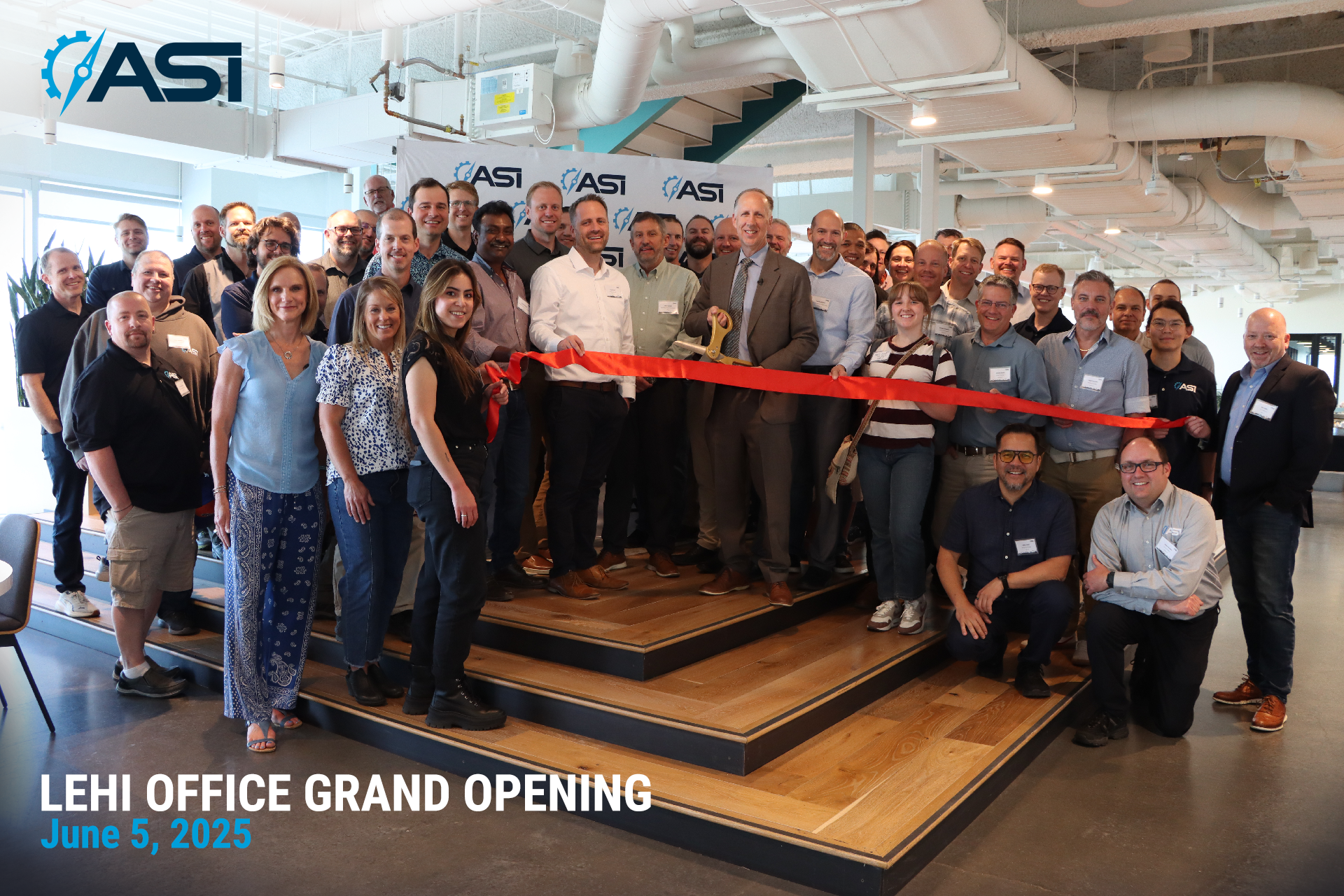
June 5th Ribbon Cutting Exemplifies the Rapid Technology Expansion of Autonomous Solutions, Inc. Within US

ASI expands its Utah presence, leasing WeWork’s largest space at Innovation Pointe
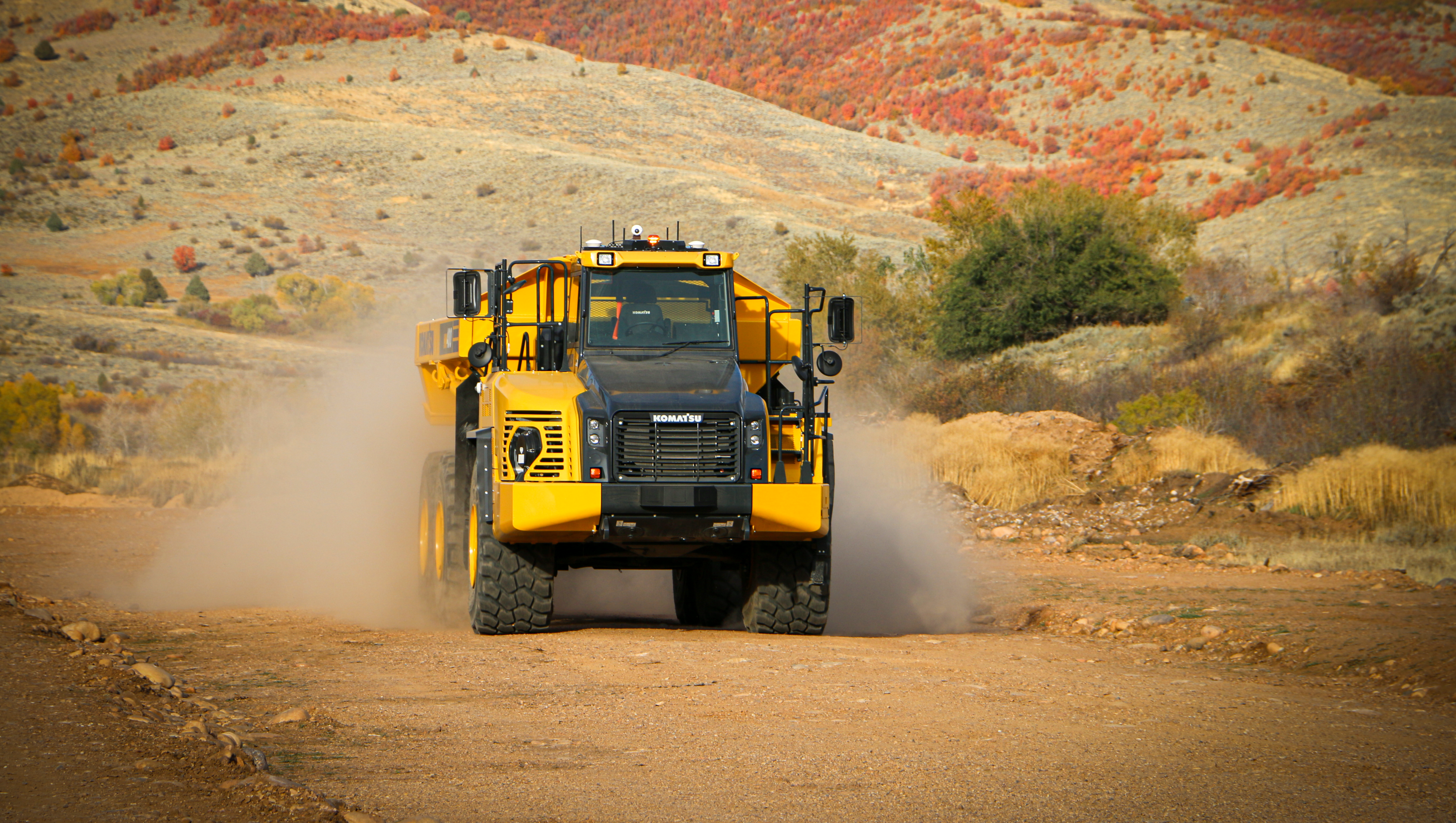
ASI Heavy Construction Will Operate a Fleet of Autonomous Vehicles Using Mobius™ for US-Based Project

Autonomous Solutions, Inc. (ASI) announced that it is shifting its Automotive team from OEM proving ground automation to support its agriculture, construction, landscaping, and logistics sectors. This transition follows the divestiture of ASI Mining, with the capital from the sale enabling a significant expansion in customer deployments. The Automotive team’s expertise in simulation, test automation, […]

Mendon, Utah: Autonomous Solutions, Inc. (“ASI”), a pioneer in the automation of industrial vehicle systems, is pleased to announce the sale of business unit, ASI Mining to Epiroc, a world leader in mining equipment and solutions. Epiroc acquired a 34% stake in ASI Mining in 2018 and will now take full ownership of the company. […]

Along side a world-leading OEM. ASI has developed autonomous technology capable of choreographed testing of ADAS/AV systems. We call this technology SWARMING. Based on studies such as those done by NHTSA, OEMs are finding that using simulation to test, validate, and verify ADAS/AV systems simply isn’t enough. There is a large frequently unaddressed gap in ensuring these vehicles are […]

Autonomous yard shifting uses trucks from different OEMs to perform daily tasks and routines without the need for a driver in the cab. As a result, it offers the ability to oversee and control operations of multiple trucks from a control room onsite, or thousands of miles away. The industry’s most capable and proven command […]

New architecture to increase situational awareness and safety in GPS-compromised environments. [Mendon, UT] Autonomous Solutions, Inc. (ASI) has been awarded a Phase Two grant from the U.S. Army Combat Capabilities Development Command Ground Vehicles Systems Center (formerly TARDEC). Based on the progress achieved during Phase One, ASI was chosen to continue development of a Deep […]
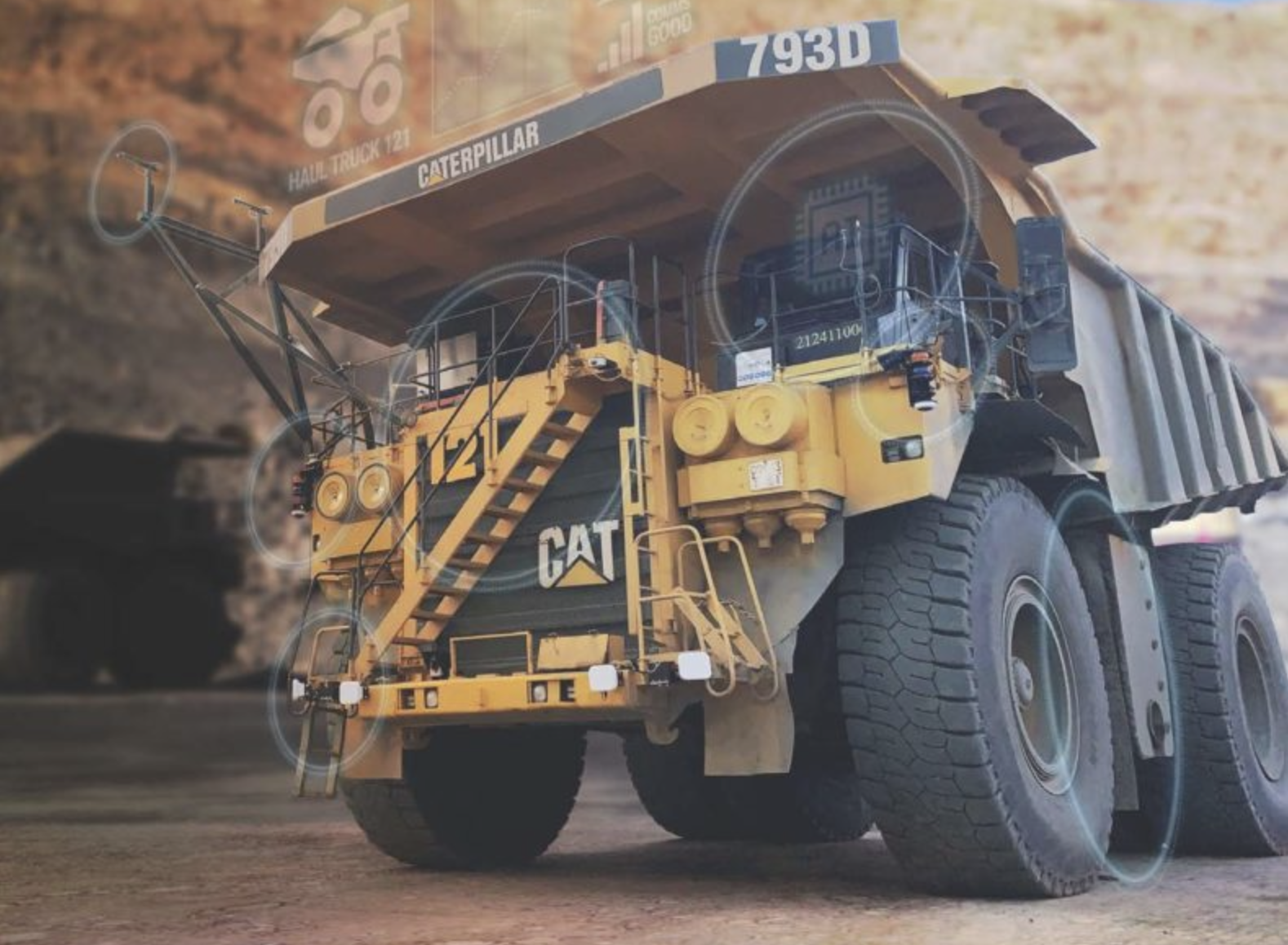

Video of the unmanned yard truck solution: https://youtu.be/vZzrJJknpOU Mendon, Utah; Mountain View, California; and Benschop, Netherlands – A new fully unmanned yard truck solution combines the expertise of four companies: Autonomous Solutions, Inc. (ASI), a world leader in vehicle automation; Phantom Auto, the leading provider of remote communication software for unmanned vehicles; FANUC America Corporation, the […]

Schedule a demo to see our autonomous solutions in action
Steadfast automation, where and when you need it, is the cornerstone of what ASI provides. From law enforcement to industrial solutions, robotics cannot be a force multiplier without this level of command and control.

Brian Higgins
Group 77


